
Featured
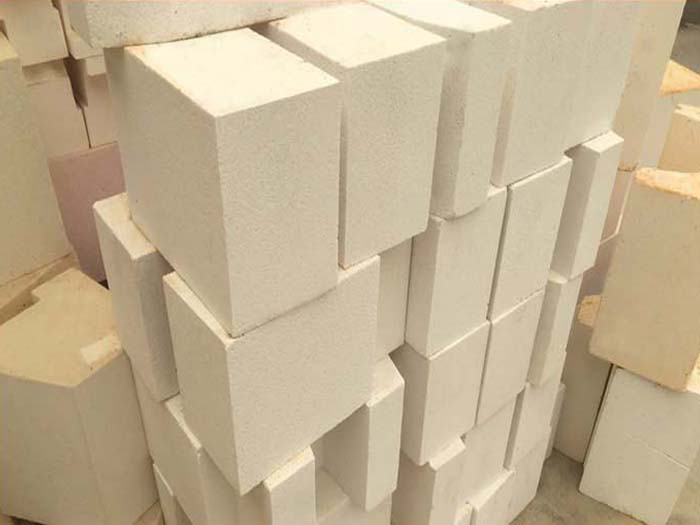
Mullite Brick
Mullite brick with mullite as the main phase (Al₂O₃≥75%, refractoriness ≥1850℃, RUL ≥1650℃) offers high-temperature volume stability with excellent thermal-shock and creep resistance.
Learn More →CDQ Vessel · Primary Deduster
The primary deduster of a CDQ plant separates coke fines from circulation gas. Its lining long-term bears high-velocity scouring by coke-fines-laden gas at 800–1000℃. Deduster lining wear is a common CDQ issue, directly affecting dedusting efficiency and gas quality.
Coke-fines gas scouring: circulation gas carrying coke fines enters at high velocity, abrading the lining. Turn-zone wear: gas turns and slows in the deduster; turn zones suffer intensified scouring. Temperature swings: charging, discharging and gas-temperature swings shock the lining. Structural stress: equipment expansion and support structures impose stress.
After thinning, dedusting efficiency drops, coke-fines carryover rises, hurting gas quality and CDQ operation; fallen bricks may plug discharge equipment or damage devices, forcing shutdown for repair.
Select the deduster for "high wear resistance + thermal-shock resistance":
Masonry control: lay with staggered joints, full mortar and joints ≤2mm. Anchoring: anchor the brick lining to the vessel wall reliably. Bake-out: follow the curve to avoid residual moisture in mortar.
Monitor deduster pressure drop and fines carryover; investigate on anomalies. At maintenance, measure residual thickness and patch or replace thinned zones; record wear data to optimize grade and structure.
Mullite brick with mullite as the main phase (Al₂O₃≥75%, refractoriness ≥1850℃, RUL ≥1650℃) offers high-temperature volume stability with excellent thermal-shock and creep resistance.
Learn More →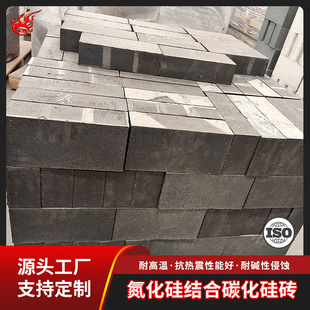
Silicon carbide brick (SiC≥85%, refractoriness ≥1900℃, CCS≥120MPa) offers high thermal conductivity, extreme wear resistance, thermal-shock resistance and molten-salt resistance—preferred for waste incineration and hot abrasion duties.
Learn More →Contact Us
 WeChat · 17513376789