
Featured
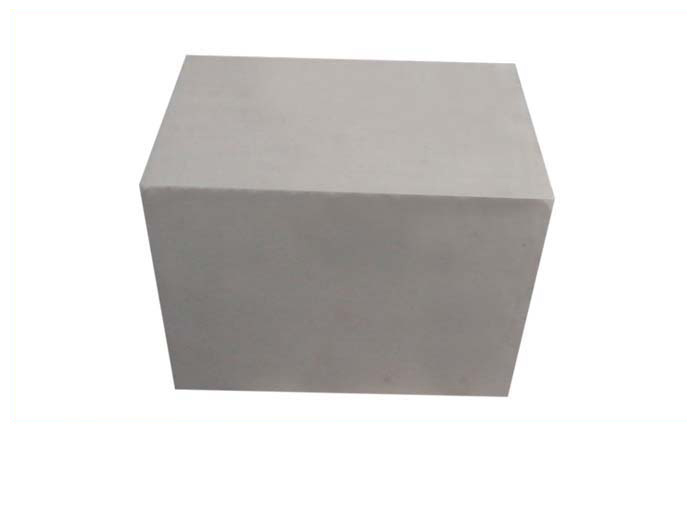
Fused-Cast AZS Block
Fused-cast AZS block (Al₂O₃≥48%, ZrO₂≥32%, bulk density ≥3.60 g/cm³, porosity ≤2%) is cast from the melt to near-zero porosity, giving outstanding resistance to glass-melt erosion and scouring.
Learn More →Glass Tank Wall · Tank Wall
The glass furnace tank wall (melting-end walls) directly contacts 1500–1600℃ glass melt—the most severely attacked furnace zone. Tank-wall bricks long-term bear melt chemical attack, scouring and gas action; erosion and thinning are the key limits on furnace life.
Melt chemical attack: alkali oxides in the melt react with and dissolve the brick surface, forming erosion grooves and an "upper erosion line" (worst at the three-phase interface). Melt-flow scouring: melt convection and flow near weirs scour the walls. Thermal shock and stress: temperature swings impose thermal stress, cracking the bricks. Alkali-vapor attack: alkali vapor above the melt line attacks the upper wall.
After thinning, wall strength drops with melt-breakout risk; upper-erosion-line attack can perforate the wall at the melt line; wall life shortens, forcing cold repair and shortening the campaign and glass output.
Select tank walls for "high erosion resistance + low penetration":
Masonry control: lay AZS bricks with staggered joints ≤1mm and full mortar. Leveling: level and seat each course to prevent voids. Air-cooling installation: install with adjustable airflow. Kiln heating: heat slowly per the curve to avoid moisture and thermal-shock damage.
Control melt temperature and level stability to reduce three-phase-interface fluctuation; monitor wall temperature and upper-erosion-line position, adjusting promptly on anomalies. At mid-campaign maintenance, check residual wall thickness and replace thinned zones (especially the melt-line zone), recording erosion data to optimize grade and cooling design.
Fused-cast AZS block (Al₂O₃≥48%, ZrO₂≥32%, bulk density ≥3.60 g/cm³, porosity ≤2%) is cast from the melt to near-zero porosity, giving outstanding resistance to glass-melt erosion and scouring.
Learn More →
Zirconia brick (ZrO₂≥95%, 2300℃ max, bulk density ≥5.20 g/cm³) with stabilized high-purity zirconia resists ultra-high-temperature melts and atmospheres—among the highest-temperature oxide refractories.
Learn More →Contact Us
 WeChat · 17513376789