
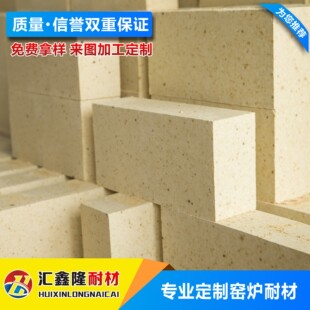
High-Alumina Brick LZ-65
High-alumina brick LZ-65 (Al₂O₃≥65%, refractoriness ≥1790℃) has a higher corundum/mullite phase ratio for stronger slag resistance, higher temperature rating and better hot load-bearing capacity.
Learn More →FCC Unit · Flue Duct
FCC flue ducts convey hot regenerator flue gas (650–750℃) carrying catalyst dust and sulfur oxides. Duct brick linings long-term bear dust-laden gas scouring, temperature swings and corrosion; lining damage is a common FCC issue.
Dust-laden gas scouring: gas carrying catalyst dust flows at high velocity, abrading the duct lining. Corrosion: sulfur oxides (SO₂, SO₃) condense and acid-corrode in cooler zones. Thermal shock: unit start/stop and temperature swings shock the lining. Structural stress: duct thermal expansion and support displacement impose stress.
After damage, duct wall temperature rises, corrosion worsens and leakage risk rises; fallen bricks may plug flues or damage equipment, forcing shutdown for repair.
Select flue ducts for "high wear resistance + corrosion resistance":
Masonry control: lay with staggered joints, full mortar and joints ≤2mm. Anchoring: anchor the brick lining to the duct wall reliably against loosening. Bake-out: follow the curve to avoid residual moisture in mortar.
Monitor duct wall temperature and gas resistance; investigate on anomalies. At maintenance, measure residual thickness and patch or replace thinned zones; record corrosion and wear data to optimize grade and insulation design.
High-alumina brick LZ-65 (Al₂O₃≥65%, refractoriness ≥1790℃) has a higher corundum/mullite phase ratio for stronger slag resistance, higher temperature rating and better hot load-bearing capacity.
Learn More →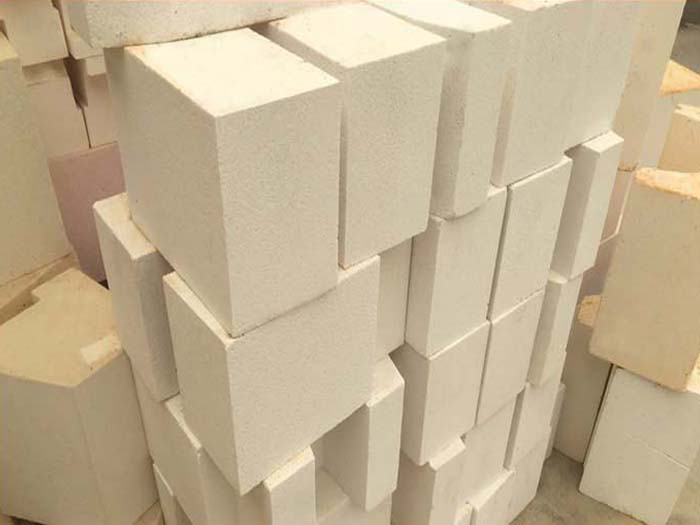
Mullite brick with mullite as the main phase (Al₂O₃≥75%, refractoriness ≥1850℃, RUL ≥1650℃) offers high-temperature volume stability with excellent thermal-shock and creep resistance.
Learn More →Contact Us
 WeChat · 17513376789