
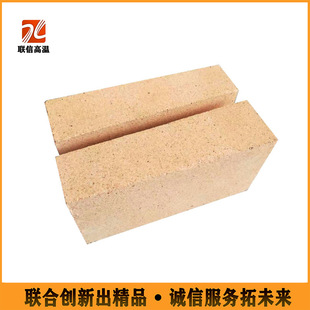
High-Alumina Brick LZ-55
High-alumina brick LZ-55 (Al₂O₃≥55%) with refractoriness ≥1770℃ offers dense structure, wear resistance against gas scouring and combined cold/hot strength—one of the most widely used shaped refractories.
Learn More →Waste Heat Boiler · Hopper
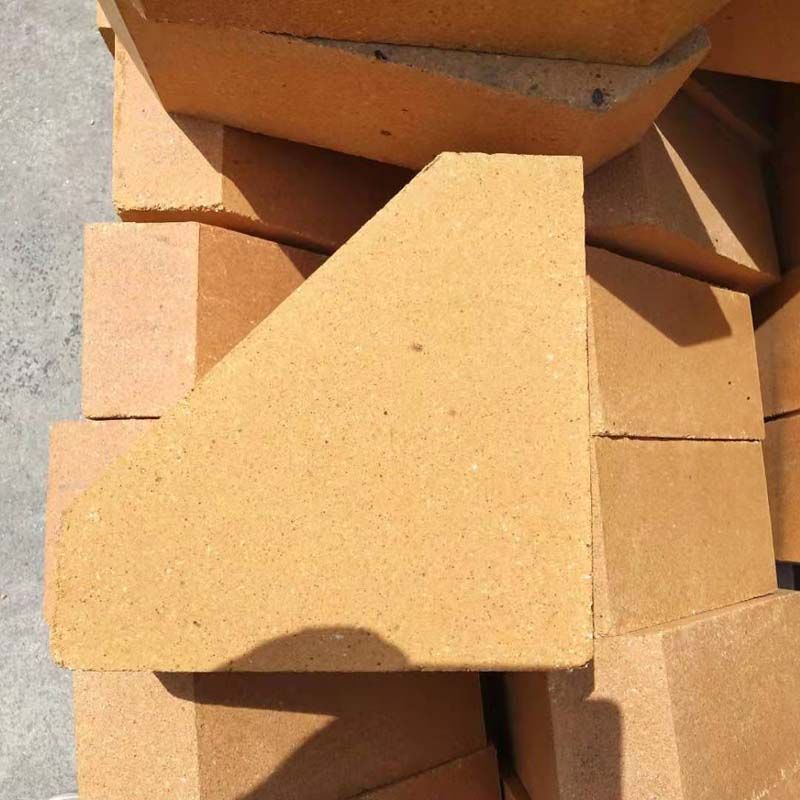
The ash hopper of a waste-heat boiler collects ash settling from flue gas. Its brick lining long-term bears dust-laden gas scouring, ash abrasion and temperature changes, plus mechanical action from cleaning operations. Lining damage is a common WHB issue.
Dust-laden gas scouring: gas turns and slows in the hopper zone; ash particles abrade the lining. Ash accumulation abrasion: accumulated ash moves and abrades the lining. Temperature changes: boiler start/stop and load swings cause temperature changes, shocking the lining. Mechanical action: cleaning (rapping, blowing) impacts the lining.
After damage, hopper walls thin and overheat with ash-leak risk; fallen bricks may plug discharge equipment or damage devices, forcing shutdown for repair.
Select the hopper for "high wear resistance + temperature-change resistance":
Masonry control: lay with staggered joints, full mortar and joints ≤2mm. Anchoring: anchor the brick lining to the hopper wall reliably. Bake-out: follow the curve to avoid residual moisture in mortar.
Deslag promptly to reduce ash abrasion on the lining; inspect hopper bricks regularly and patch damage promptly. At maintenance, measure residual thickness and replace thinned zones; record abrasion data to optimize grade and structure.

High-alumina brick LZ-55 (Al₂O₃≥55%) with refractoriness ≥1770℃ offers dense structure, wear resistance against gas scouring and combined cold/hot strength—one of the most widely used shaped refractories.
Learn More →

Low-porosity fireclay brick with Al₂O₃≥45%, apparent porosity ≤15% and RUL ≥1400℃. High density resists penetration by glass melt and furnace gases.
Learn More →Contact Us
WeChat · 17513376789