
转炉和电炉分别用什么耐火砖?镁碳砖怎么选才耐用?
转炉 ·
问题详情
钢厂采购耐火砖时,转炉和电炉的炉衬选砖是问得最细的问题:转炉和电炉分别用什么耐火砖?镁碳砖怎么选才耐用? 很多采购把两套炉衬当成一回事,实际上它们的工况完全不同,选错了不仅砖价白花,炉役寿命还短。
#### 转炉和电炉的炉衬,损坏方式完全不同
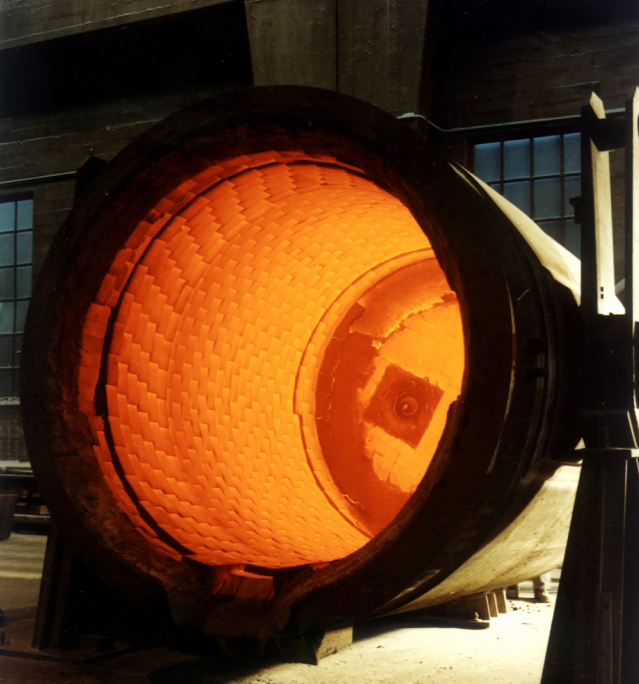
- 转炉(BOF):靠吹氧冶炼,炉衬直接接触高温铁水和强烈渣-钢反应,以渣线化学侵蚀、炉底机械冲刷和炉衬剥落为主。转炉炉衬一旦出问题就是大面积损毁,对砖的抗渣侵蚀性要求最高;
- 电弧炉(EAF):靠电弧加热,热点区(电极周围)承受超高温度和热应力集中,炉盖、炉壁热点区以热震、结构剥落为主,同时炉门区频繁开合受急冷急热。
所以同样一块镁碳砖,在转炉上比抗渣,在电炉上比抗热震——这就是为什么选型前先要弄清炉型。
#### 先搞清楚:你问的到底是哪一区段的砖
炉衬分部位选砖是基本原则:
- 炉底:承受钢水静压和金属冲击,要求砖致密、抗冲刷,通常用高致密度镁碳砖;
- 熔池/炉身:渣钢反应最剧烈区域,要求抗渣、抗侵蚀,用镁碳砖为主力;
- 渣线:转炉渣线是最短寿命区,建议用高碳、高抗渣镁碳砖或再结合镁砖强化;
- 炉帽/炉盖(电炉):热震频繁,选用抗热震性更好的镁碳砖或含碳量适中的配方。
#### 镁碳砖为什么是炼钢炉衬的主流选择
镁碳砖把高熔点镁砂的抗渣能力和石墨的耐侵蚀、低热膨胀、不易被渣润湿的特性结合起来,解决了纯氧化镁砖"抗渣但抗热震差"的短板。树脂结合的不烧镁碳砖工艺成熟,性价比高,是转炉、电炉炉衬的主流配置。
解决方案
#### 镁碳砖选型四要素
采购镁碳砖时,真正要问清的是这四个参数:
- 碳含量:常见 10%、14%、18% 等。渣线重侵蚀区用高碳(14%~18%)抗渣更好;热震频繁区碳高抗剥落也更好,但碳过高会降低抗氧化性和强度,需平衡;
- 镁砂原料:电熔镁砂比烧结镁砂杂质少、抗渣更强,转炉渣线一般要求电熔镁砂为主料;
- 结合剂:树脂结合为主,要求低温强度好、发气量可控,避免烘烤期爆裂;
- 抗氧化剂:金属 Al、Si 等添加剂,决定了高温下碳不被过早氧化,直接影响使用寿命——这是最容易以次充好的环节。
#### 高铝砖、镁铝尖晶石砖、铝碳化硅碳砖在什么情况下更合适
镁碳砖不是唯一答案:
- 转炉、电炉的工作衬主材,镁碳砖仍是首选;
- 电炉炉盖、水冷系统周边温度波动大的区域,可搭配抗热震高铝砖降低成本;
- 精炼工位、钢包渣线等对低钢水增碳敏感的部位,用镁铝尖晶石砖或铝碳化硅碳砖更合适(避免碳进入钢水);
- 铝碳化硅碳砖(Al₂O₃-SiC-C)在铁水预处理、出铁沟等渣铁冲刷部位表现突出。
#### 考察耐火砖厂家的五个硬指标
- 能否提供电熔镁砂的采购来源和批次质检报告;
- 关键指标是否承诺第三方检测:显气孔率、体积密度、常温耐压强度、高温抗折强度;
- 是否有砖型加工能力:转炉炉衬需异形砖、楔形砖配套,切割精度直接影响砌筑质量;
- 是否提供砌筑方案和现场指导;
- 有没有同炉型业绩案例,可以问对方要几个可核实的钢厂使用记录。
#### 结论
转炉和电炉选砖,先定炉型再分部位:转炉全炉衬以镁碳砖为主体、渣线强化抗渣;电炉热点区强调抗热震、炉盖可搭配抗热震高铝砖;对钢水洁净度要求高的精炼工位,考虑镁铝尖晶石砖或铝碳化硅碳砖。买镁碳砖重点核对碳含量、镁砂原料、结合剂和抗氧化剂四要素,并坚持要第三方检测报告。
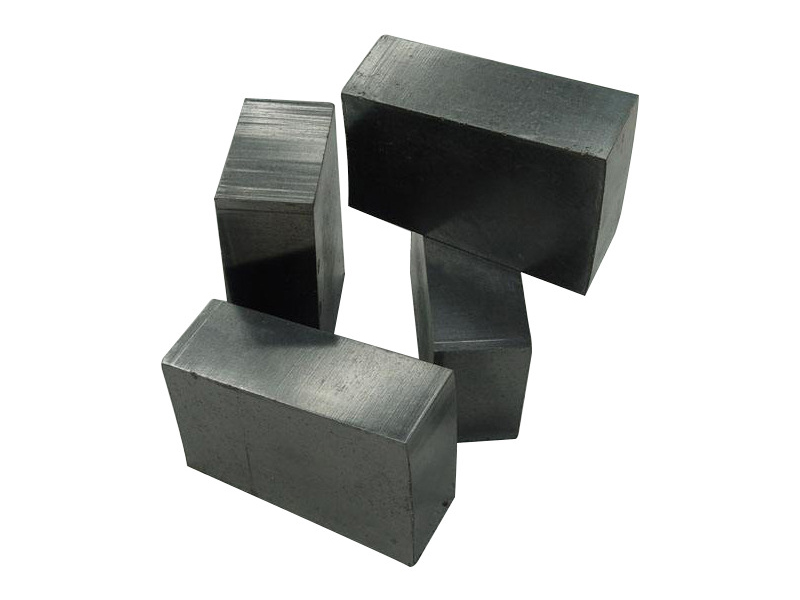
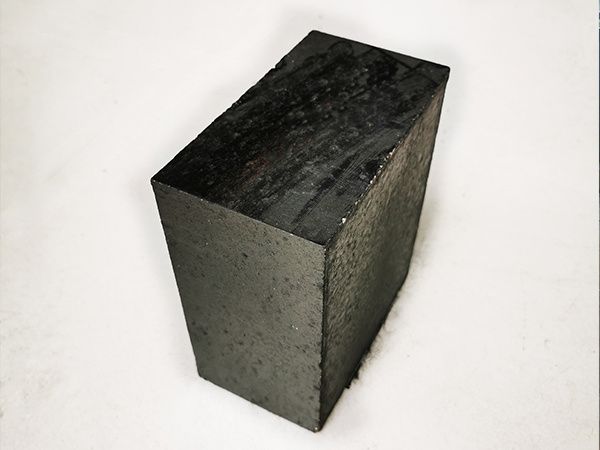
河南嵩瑞的镁碳砖支持按炉型、按区段定制配方与异形加工,配合砌筑方案和现场指导:
### English Content
When steel plants buy refractory bricks, the lining selection for BOF and EAF furnaces is the most detailed question: which refractory bricks for BOF and EAF, and how to choose durable magnesia-carbon bricks? Many buyers treat the two linings the same — but their working conditions are completely different, and a wrong choice wastes money and shortens the campaign.
#### BOF vs EAF: completely different failure mechanisms
- BOF: oxygen steelmaking, the lining directly faces hot metal and intense slag-steel reaction — dominated by slag-line chemical attack, bottom erosion and spalling. When the BOF lining fails, it fails in large areas; slag resistance matters most;
- EAF: arc heating, the hot spots around electrodes suffer extreme temperature and thermal stress, while the door area is frequently quenched and heated. Thermal shock and structural spalling dominate.
The same magnesia-carbon brick must be judged by slag resistance in a BOF but by thermal shock resistance in an EAF — so identify the furnace type before selecting.
#### Select zone by zone
- Bottom: dense brick with high erosion resistance — high-density MgO-C brick;
- Bath/sidewall: the most severe slag-metal reaction zone — MgO-C brick as the workhorse;
- Slag line: the shortest-life zone in a BOF — high-carbon, high-slag-resistance MgO-C brick or rebonded magnesia brick;
- Roof/cap (EAF): frequent thermal shock — MgO-C brick with better thermal shock resistance.
#### Why MgO-C brick is the mainstream choice
MgO-C brick combines the high melting point of magnesia with the non-wettability, low thermal expansion and erosion resistance of graphite, solving the "slag-resistant but poor thermal shock" weakness of pure magnesia bricks. Resin-bonded unburned MgO-C brick is mature, economical and the mainstream for BOF/EAF linings.
#### Four selection factors for MgO-C brick
- Carbon content: typically 10%, 14%, 18%. Use higher carbon (14–18%) for severe slag-line attack and thermal shock; but too much carbon lowers oxidation resistance and strength;
- Magnesia raw material: fused magnesia has fewer impurities and stronger slag resistance than sintered magnesia — required for BOF slag lines;
- Binder: resin-bonded, requiring good green strength and controllable gas release to avoid bursting during dry-out;
- Antioxidants: metallic Al, Si additions determine whether carbon is oxidized prematurely at high temperature — the most common place for quality cutting.
#### When are high-alumina, MgO-Al₂O₃ spinel and Al₂O₃-SiC-C bricks more suitable?
- BOF/EAF working linings: MgO-C brick is still the first choice;
- EAF roof and water-cooled periphery with frequent temperature swings: cost-effective thermal-shock-resistant high alumina brick;
- Refining positions and ladle slag lines sensitive to steel carbon pickup: MgO-Al₂O₃ spinel brick or Al₂O₃-SiC-C brick (avoids carbon pickup);
- Al₂O₃-SiC-C brick performs well at hot metal pretreatment and troughs.
#### Five hard indicators when vetting a brick supplier
- Fused magnesia sourcing and batch quality reports;
- Third-party test commitment: apparent porosity, bulk density, cold crushing strength, hot modulus of rupture;
- Shape processing capability: BOF linings need special and wedge shapes — cutting precision affects lining quality;
- Laying scheme and on-site guidance;
- Verifiable references from the same furnace type.
#### Conclusion
Identify the furnace type first, then select zone by zone: BOF lining based on MgO-C brick with reinforced slag line; EAF hot spots emphasizing thermal shock resistance with thermal-shock-resistant high alumina brick for the roof; refining positions considering MgO-Al₂O₃ spinel or Al₂O₃-SiC-C bricks. When buying MgO-C brick, check carbon content, magnesia raw material, binder and antioxidants, and always demand third-party test reports.
Henan Songrui offers MgO-C bricks with custom formulations per furnace type and zone, special shape processing, laying schemes and on-site guidance:
推荐产品
更多问题?欢迎在线留言咨询
联系我们
 客服微信 · 17513376789