
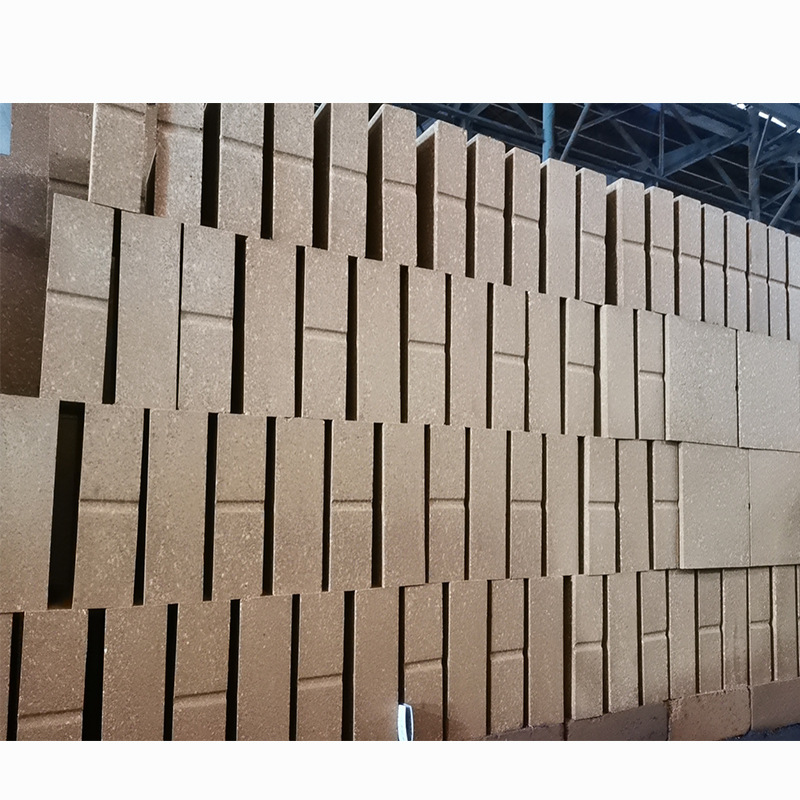
Magnesia Brick
Magnesia brick with periclase as the main phase (MgO≥95%, refractoriness ≥2000℃) offers outstanding resistance to basic slags and iron-oxide slag plus excellent high-temperature performance.
MgO Content≥95%
Learn More →Magnesia, chrome-corundum castables and ramming mixes for copper, aluminum, zinc and lead smelting furnaces.
Non-ferrous smelting furnaces endure severe slag and melt attack, mostly in alkaline conditions. The company supplies magnesia ramming mixes, chrome-corundum castables and SiC wear linings for copper reverberatory, aluminum melting and zinc-lead furnaces, resisting alkaline slag and washing for lining and repair work.
Typical kilns in this industry — click each to see its specific problems and solutions
The copper bath zone suffers matte penetration and slag attack; magnesia-chrome bricks with copper staves are the mainstream solution.
View Problems & Solutions →Cell sidewall SiC bricks face electrolyte attack and sodium penetration, tied to cell life and energy efficiency.
View Problems & Solutions →Zinc kiln linings suffer zinc vapor penetration and ring formation; phosphate bricks and chrome-corundum bricks are common.
View Problems & Solutions →Magnesia brick with periclase as the main phase (MgO≥95%, refractoriness ≥2000℃) offers outstanding resistance to basic slags and iron-oxide slag plus excellent high-temperature performance.
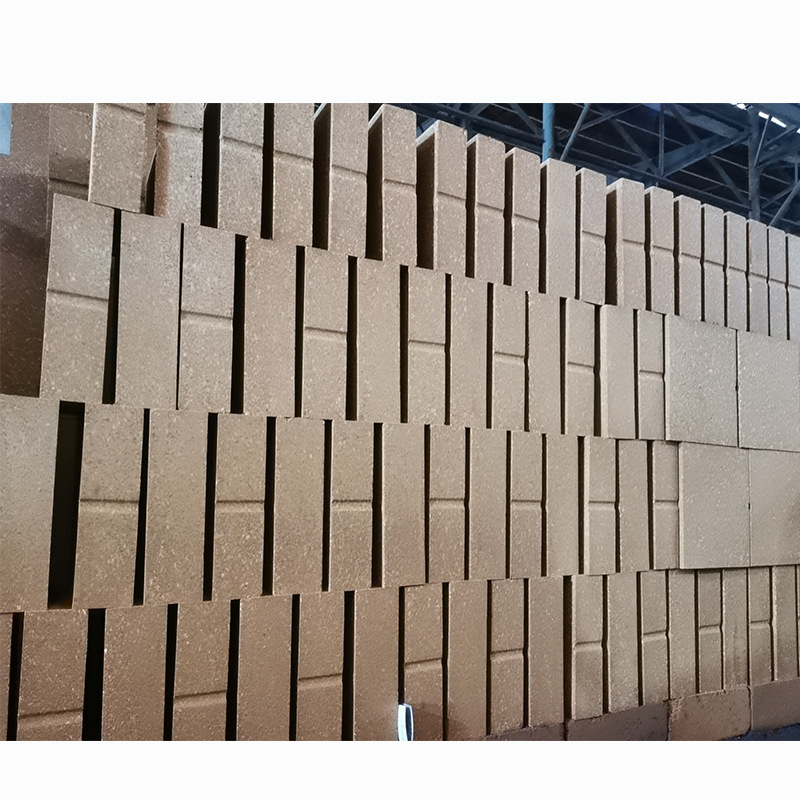
Magnesia-chrome brick (MgO≥60%, Cr₂O₃≥12%, refractoriness ≥1900℃) with magnesia-chromite spinel structure resists attack by high-temperature slags and melts with high hot strength and washout resistance.
Rotary activation furnaces, Shaft (Slep) furnaces and carbonization furnaces — with the refractory lining supplied and installed by the same team.
See activation furnaces → WeChat · 17513376789