
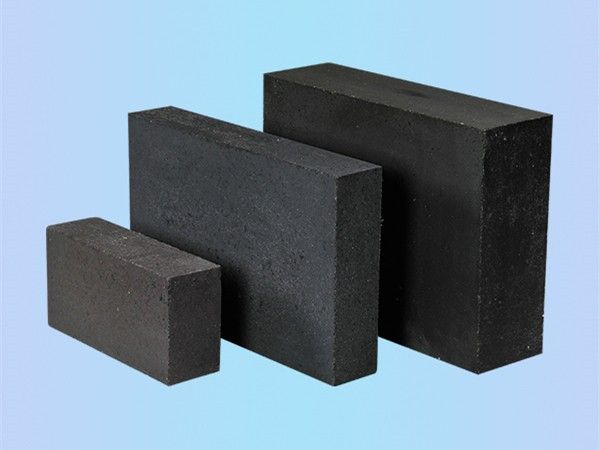
Sidewall Brick Erosion

Aluminum Electrolytic Cell · Sidewall

Problem Details

Background

The sidewall of an aluminum reduction cell is key to cell structure. Sidewall bricks long-term contact high-temperature electrolyte (950–970℃) and aluminum, bearing thermal shock and mechanical action. Sidewall SiC-brick erosion and thinning limit cell life.

Failure Mechanism

Electrolyte attack: molten electrolyte (cryolite) chemically attacks and dissolves the brick surface. Aluminum attack: aluminum contacts the bricks, with worse attack at the electrolyte-aluminum interface. Thermal shock: cell start/stop and operation fluctuations cause temperature changes, thermally cracking the bricks. Oxidation: SiC bricks oxidize on the surface at high temperature (SiC→SiO₂), forming a loose layer.

Consequences

After thinning, sidewall insulation degrades, heat loss rises and electrolysis energy consumption increases; in severe cases electrolyte or aluminum penetrates the sidewall with a cell-leak risk, forcing cell shutdown and shortening cell life.

Solution

Material Selection and Parameters

Select sidewalls for "high electrolyte resistance + high thermal conductivity":

  • Material system: SiC brick (SiC≥85%) or SiC-Si₃N₄ composite brick. SiC conducts heat well and resists electrolyte, helping form a protective side crust; composite bricks offer better strength and oxidation resistance;
  • Structural design: "SiC working layer + insulation" composite—SiC resists attack and conducts heat while insulation reduces loss; reliably connect sidewall and bottom carbon blocks;
  • Joint materials: lay with electrolyte-resistant mortar and tight joints.

Installation Essentials

Masonry control: lay sidewall bricks with staggered joints ≤1.5mm and full mortar. Oxidation protection: avoid prolonged exposure of SiC surfaces to oxidizing atmosphere; cover promptly. Cell baking: follow the curve to avoid residual moisture.

Maintenance

Control electrolyte composition and temperature, stabilizing cell condition; monitor sidewall temperature distribution and crust state, adjusting promptly on anomalies. At maintenance, check sidewall residual thickness and replace thinned zones; record erosion data to optimize grade and cell management.

Recommended Products

Silicon Nitride Bonded Silicon Carbide Brick
Customizable

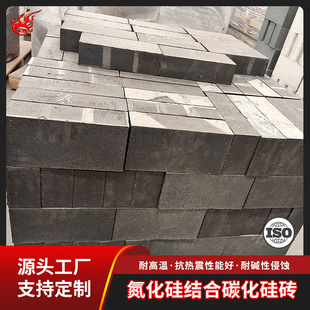
Silicon Nitride Bonded Silicon Carbide Brick

Si3N4 bonded SiC brick is made of high-purity silicon carbide with in-situ formed silicon nitride bond, featuring excellent thermal shock resistance, high strength, high thermal conductivity and oxidation resistance for blast furnace tuyeres, aluminum cell sidewalls and kiln furniture.

Learn More →
Silicon Carbide Brick

Silicon Carbide Brick

Silicon carbide brick (SiC≥85%, refractoriness ≥1900℃, CCS≥120MPa) offers high thermal conductivity, extreme wear resistance, thermal-shock resistance and molten-salt resistance—preferred for waste incineration and hot abrasion duties.

Learn More →
Corundum Brick

Corundum Brick

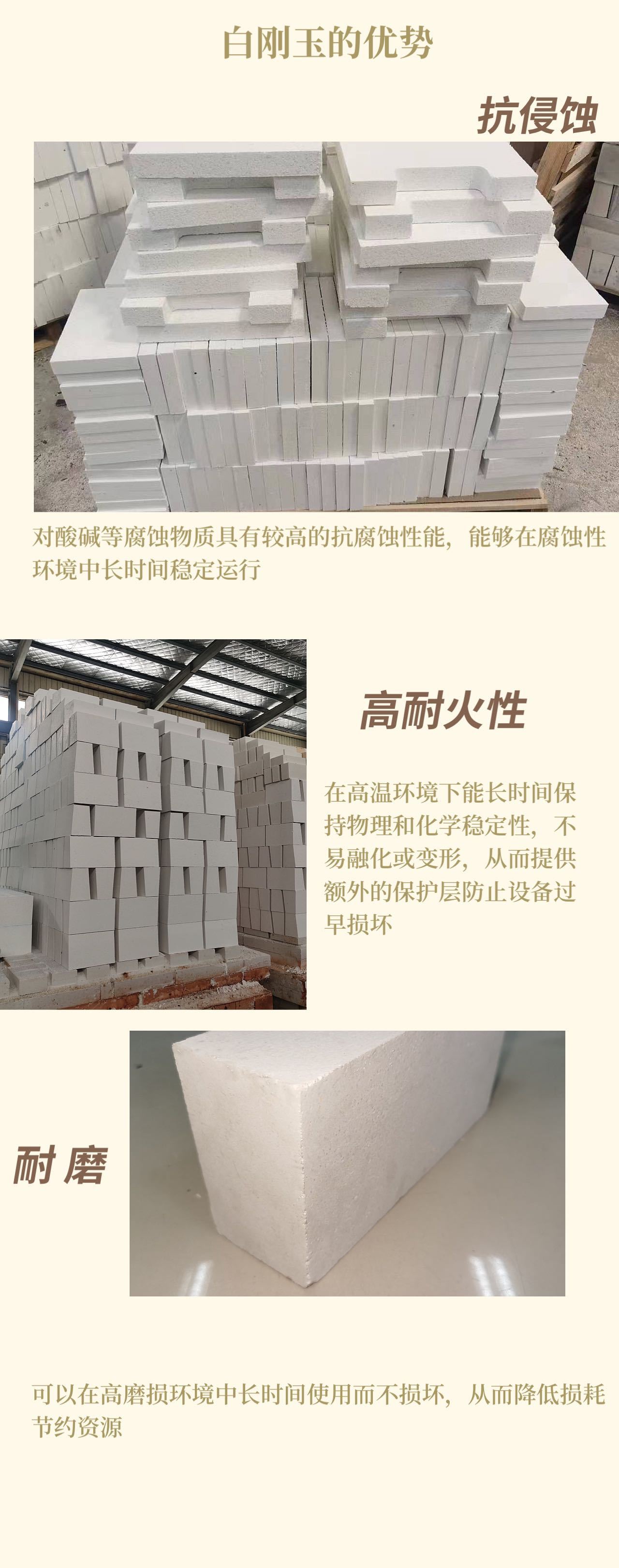
Corundum brick with Al₂O₃≥99% and refractoriness ≥2000℃ is chemically pure, resisting high temperature and gas/dust scouring—the premium refractory for critical hot zones.

Learn More →

More questions? Send us an inquiry

Contact Us

Contact
17513376789
WeChat QR codeWeChat · 17513376789