
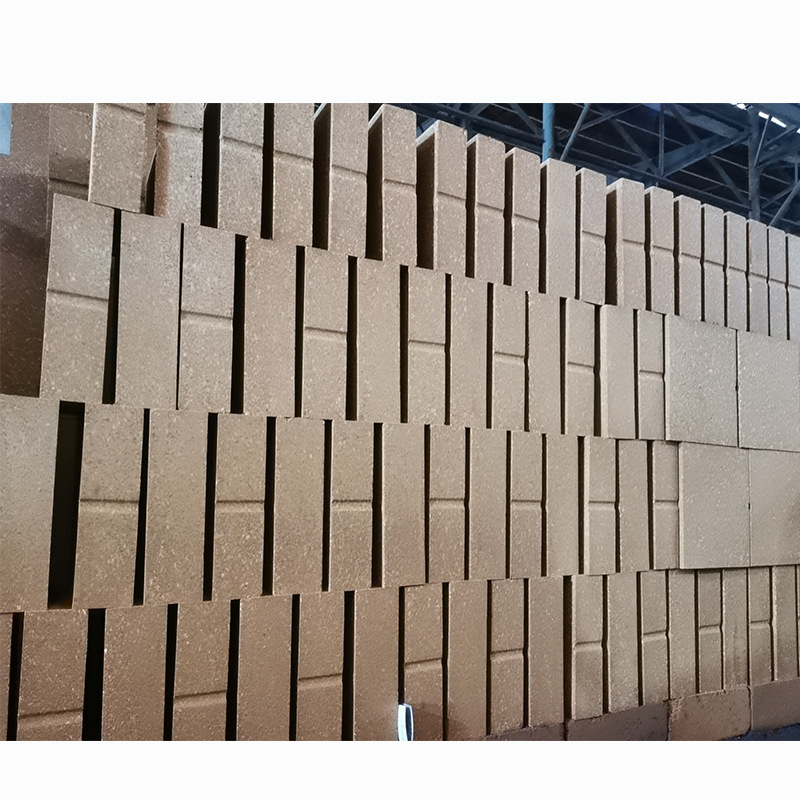
Magnesia-Chrome Brick
Magnesia-chrome brick (MgO≥60%, Cr₂O₃≥12%, refractoriness ≥1900℃) with magnesia-chromite spinel structure resists attack by high-temperature slags and melts with high hot strength and washout resistance.
Learn More →Copper Smelting Furnace · Bath Zone
The bath zone of copper smelting furnaces (flash settler, converter, anode furnace) directly contacts copper matte and slag melt—the most severely eroded furnace lining zone. Bath-zone bricks long-term bear melt chemical attack, melt-flow scouring and thermal shock; erosion thinning is the key limit on smelter life.
Melt chemical attack: FeO, SiO₂, Cu₂O and other components of matte and slag react with and dissolve the brick surface. Melt-flow scouring: melt flow and stirring (converter blowing) mechanically scour the bricks. Penetration-structural spalling: melt penetrates joints and pores into an altered layer whose expansion mismatches the original brick, spalling it. Thermal shock: charging, tapping and shutdowns cause temperature swings, shocking the bricks.
After erosion thins the bath-zone bricks, furnace temperature and heat load rise; in severe cases melt penetrates to the shell, posing a melt-out safety accident risk; forced shutdown shortens the smelter campaign.
Select bath-zone bricks for "high melt resistance + thermal-shock resistance":
Masonry control: ring-lay with tight locking, joints ≤1.5mm and full mortar. Key brick: process precisely and wedge tight. Furnace heating: heat slowly per the curve to avoid moisture and thermal-shock damage. Slag coating: manage furnace condition to help form a protective slag layer.
Control melt temperature and slag composition to reduce over-attack; monitor shell temperature and heat load, assessing promptly on anomalies. At maintenance, check bath-zone residual thickness and replace zones beyond limits; record erosion data to optimize grade and furnace management.
Magnesia-chrome brick (MgO≥60%, Cr₂O₃≥12%, refractoriness ≥1900℃) with magnesia-chromite spinel structure resists attack by high-temperature slags and melts with high hot strength and washout resistance.
Learn More →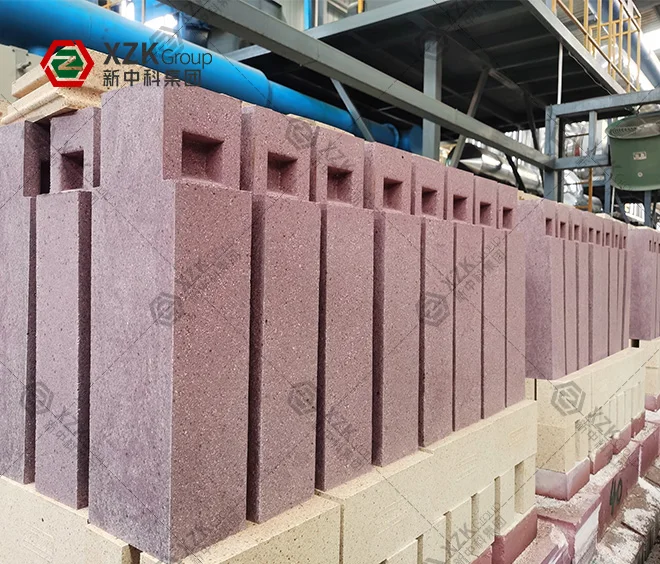
Chrome-corundum brick (Al₂O₃≥90%, Cr₂O₃ 3-8%, refractoriness ≥1950℃) adds chromia to a corundum base for strong resistance to glass melt attack, slag and washout.
Learn More →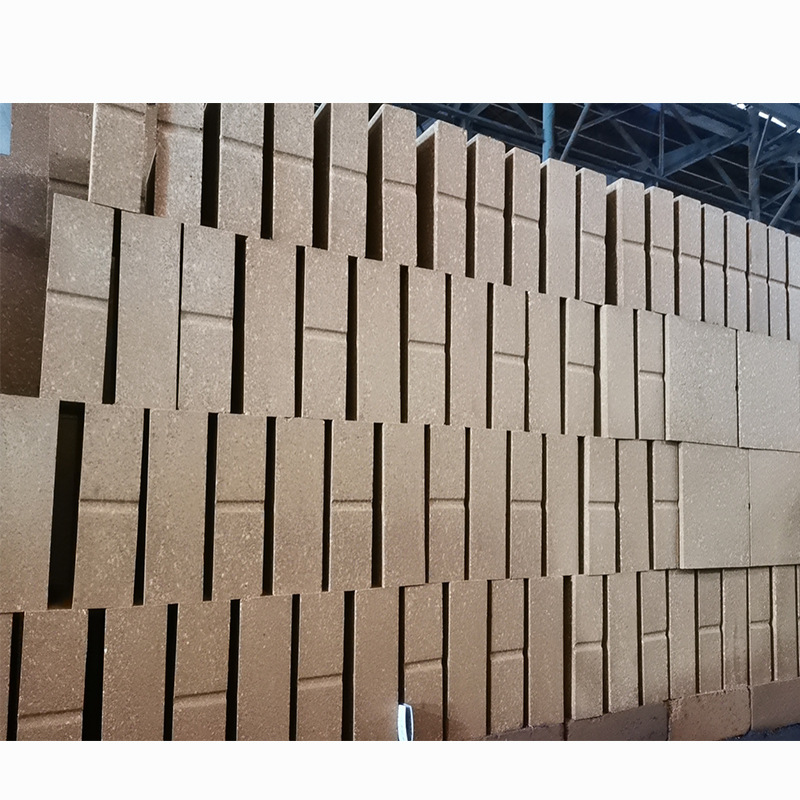
Magnesia brick with periclase as the main phase (MgO≥95%, refractoriness ≥2000℃) offers outstanding resistance to basic slags and iron-oxide slag plus excellent high-temperature performance.
Learn More →Contact Us
 WeChat · 17513376789