
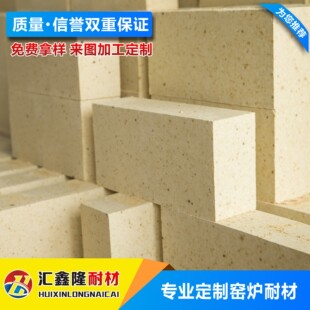
High-Alumina Brick LZ-65
High-alumina brick LZ-65 (Al₂O₃≥65%, refractoriness ≥1790℃) has a higher corundum/mullite phase ratio for stronger slag resistance, higher temperature rating and better hot load-bearing capacity.
Learn More →Zinc Volatilization Kiln · Body
The barrel of a zinc volatilizing kiln is where zinc leach residue is volatilized and roasted. Kiln temperature is high (1100–1300℃), material tumbles and abrades, and gas carries zinc vapor and sulfides. Barrel brick erosion and ring formation are the main lining failures.
Material abrasion: zinc leach residue tumbling in the kiln continuously abrades the lining. Zinc vapor and sulfur attack: zinc vapor and sulfides condense and react on the lining surface, attacking the bricks. Ring formation: material bonds on the lining into rings; ring fall-off tears the brick surface. Thermal shock: kiln swings and shutdowns cause rapid temperature changes, shocking the bricks. Chemical attack: residual acid and alkali in leach residue attack the bricks.
After thinning, shell temperature and heat load rise with higher red-spot risk; rings hurt material flow and kiln atmosphere, forcing shutdown for cleaning and shortening lining life.
Select the kiln barrel for "high wear resistance + erosion resistance":
Masonry control: ring-lay with tight locking, joints ≤2mm and full mortar. Key brick: process precisely and wedge tight. Kiln heating: follow the curve to avoid residual moisture. Ring control: manage kiln condition to reduce ring formation.
Monitor shell temperature and kiln condition; adjust promptly on anomalies. Inspect rings regularly and clean promptly. At maintenance, measure barrel residual thickness and replace thinned zones; record erosion and ring data to optimize grade and practice.
High-alumina brick LZ-65 (Al₂O₃≥65%, refractoriness ≥1790℃) has a higher corundum/mullite phase ratio for stronger slag resistance, higher temperature rating and better hot load-bearing capacity.
Learn More →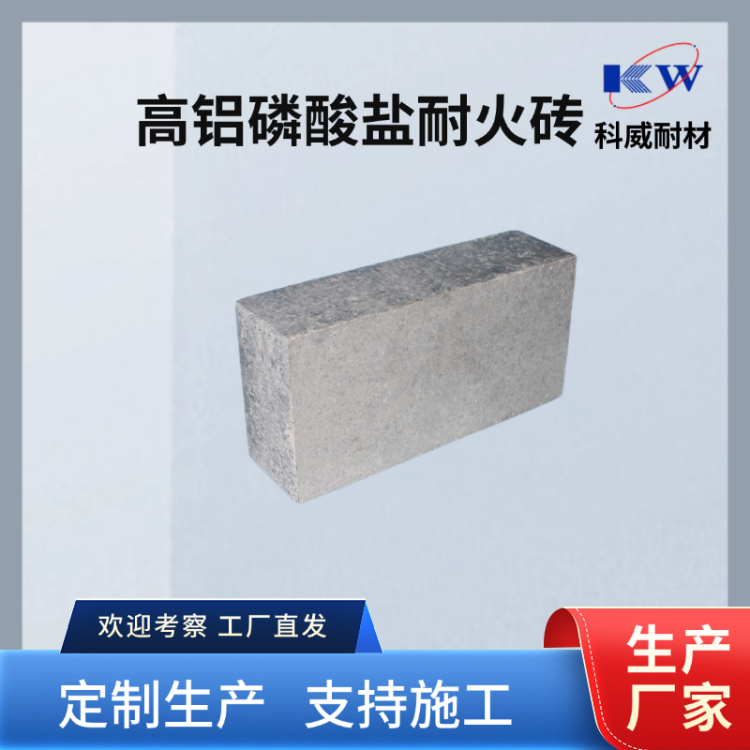
Spalling-resistant high-alumina brick introduces ZrO₂ (3-6%) for transformation and microcrack toughening. Al₂O₃≥70%, thermal-shock stability ≥15 cycles, greatly improved resistance to structural spalling under frequent temperature cycling.
Learn More →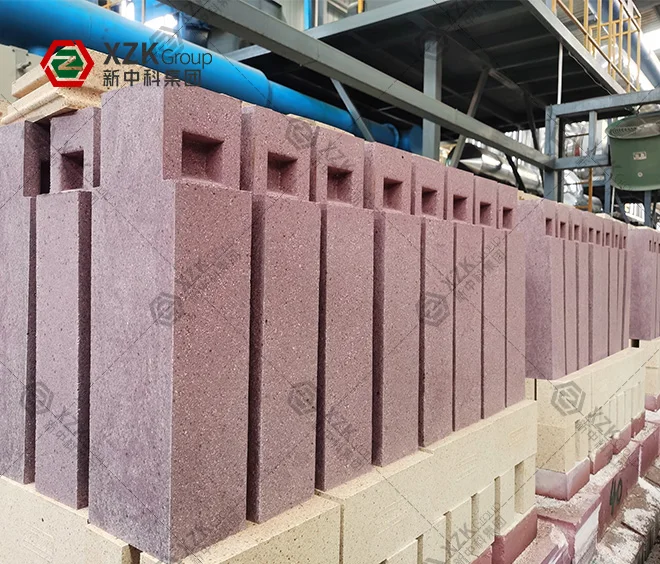
Chrome-corundum brick (Al₂O₃≥90%, Cr₂O₃ 3-8%, refractoriness ≥1950℃) adds chromia to a corundum base for strong resistance to glass melt attack, slag and washout.
Learn More →Contact Us
 WeChat · 17513376789