Hearth Carbon Brick Erosion

Blast Furnace · Hearth

Problem Details

Background

The blast furnace hearth stores hot metal and slag. Hearth carbon bricks directly contact 1450–1550℃ hot metal and slag, long-term bearing ferrostatic pressure, slag/metal penetration and thermal stress. Hearth carbon-brick erosion is the key factor deciding blast furnace campaign life; hearth safety is the top priority of ironmaking.

Failure Mechanism

Hot-metal penetration: under ferrostatic pressure, hot metal penetrates brick joints and pores and reacts with carbon into iron carbide (Fe₃C), causing "iron saturation" that alters the bricks and lowers thermal conductivity. Slag attack: FeO, MnO and other slag components oxidize and attack carbon bricks, worsening at high smelting intensity and high slag FeO. Thermal shock and stress: hearth temperature swings and metal circulation impose thermal stress, cracking the bricks. Circulation scouring: metal circulation mechanically scours hearth sidewalls, accelerating thinning.

Consequences

After erosion thins the carbon bricks, hearth wall temperature and heat load rise; in severe cases metal reaches the cooling staves through the bricks, posing a major burn-through safety accident risk that directly threatens safe smelting.

Solution

Material Selection and Parameters

Select the hearth for "high conductivity + erosion resistance + penetration resistance":

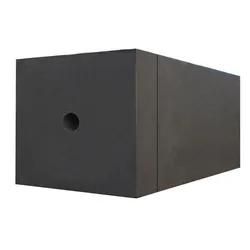
  • Material system: high-conductivity micro-pore or large carbon blocks for hearth sidewalls—high conductivity exports heat to the cooling system and lowers hot-face temperature; corundum or chrome-corundum bricks for the ceramic cup as an iron-penetration barrier;
  • Structural design: the "ceramic cup + carbon brick" composite—the cup isolates slag/metal and protects carbon bricks, which provide conductivity and support;
  • Joint materials: fill carbon-brick joints with carbon ramming mix or carbonaceous mortar for overall conductivity and sealing.

Installation Essentials

Masonry control: strictly control carbon-brick joints (≤1mm), filling fully with carbonaceous mortar. Leveling and seating: level and seat each course to prevent local voids. Bake-out: strictly control heating per the curve to avoid residual moisture. Monitoring: monitor hearth temperature distribution with thermocouples during construction to verify the heat-conduction system.

Maintenance

Monitor hearth wall temperature and heat load; warn promptly on abnormal rise. Control metal circulation and tapping practice to reduce hearth scouring. Use hearth-erosion models to assess residual carbon-brick thickness and plan the shutdown for major repair at the right time.

Recommended Products

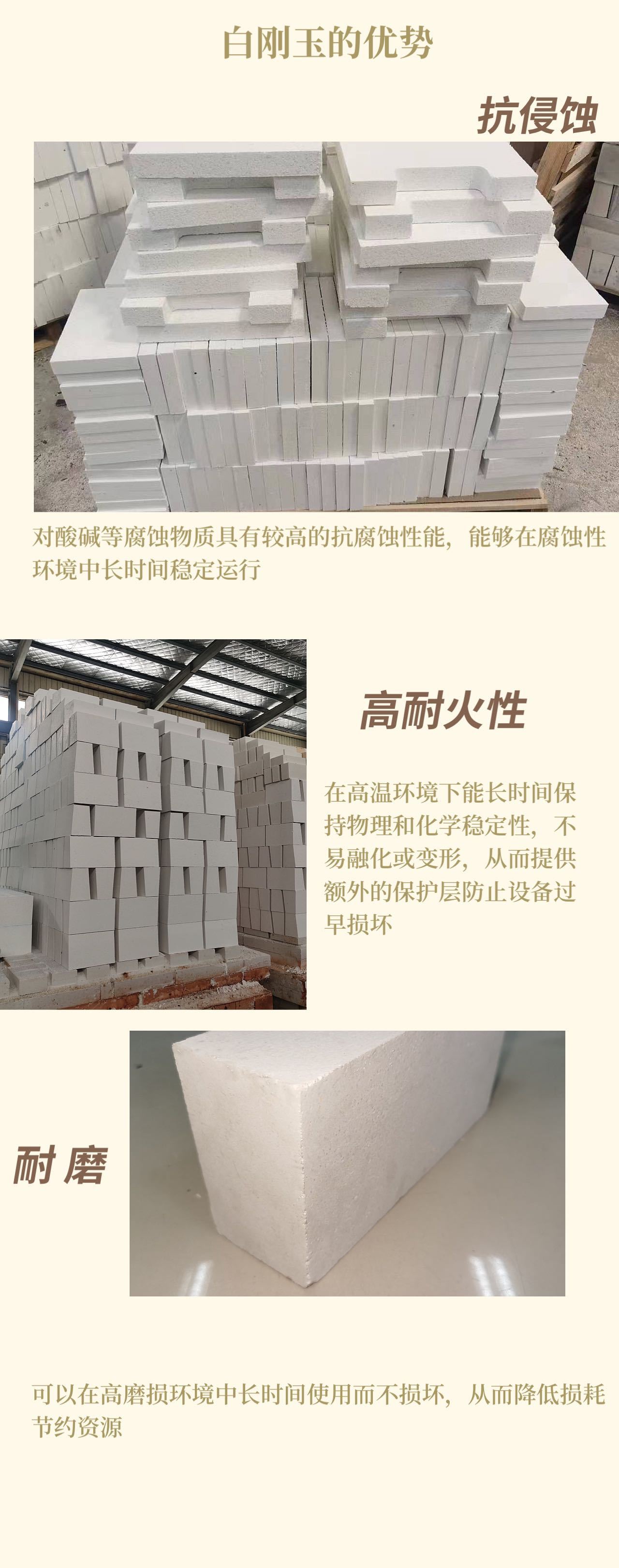
Corundum Brick

Corundum Brick

Corundum brick with Al₂O₃≥99% and refractoriness ≥2000℃ is chemically pure, resisting high temperature and gas/dust scouring—the premium refractory for critical hot zones.

Learn More →

Other Problems of This Kiln

More questions? Send us an inquiry

Contact Us

Contact
17513376789
WeChat QR codeWeChat · 17513376789