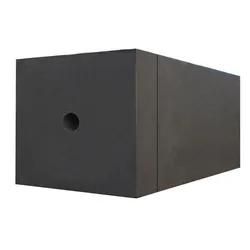
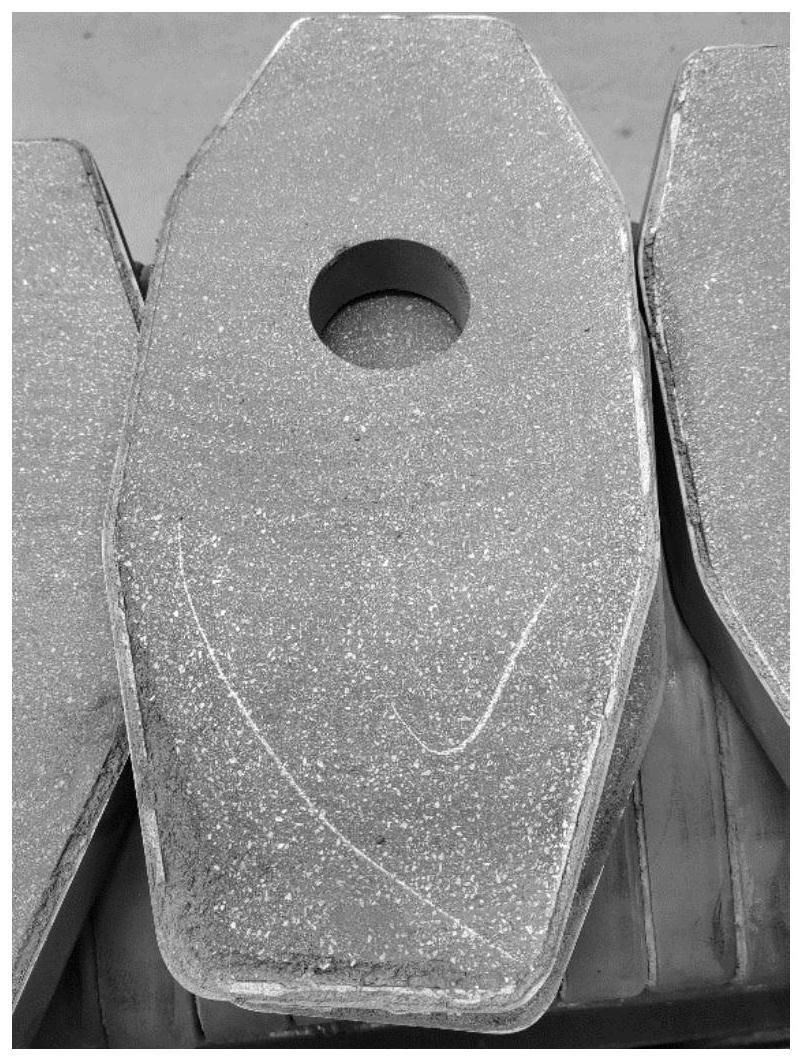
Slide Gate Plate
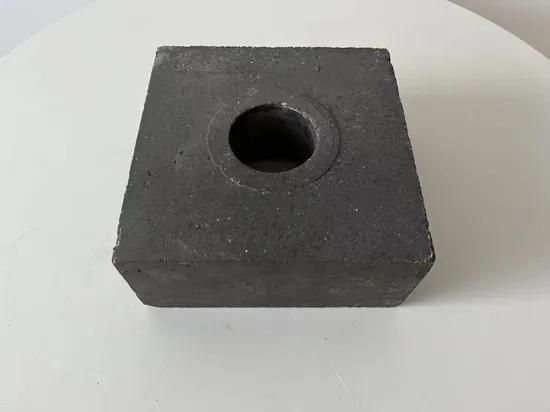
Slide gate plate is the core functional refractory of ladle and tundish slide gate systems, offering high strength, high density, excellent erosion and thermal shock resistance for precise molten steel flow control.
Full-range refractory solutions for blast furnaces, hot blast stoves, iron runners, converters, EAFs and ladles.
Iron & steel is the largest downstream consumer of refractories. Henan Songrui New Refractory Materials Co., Ltd. supplies integrated packages — from high-alumina and corundum-SiC castables to precast trough channels and MgO-C bricks — for blast furnaces, hot blast stoves, casthouse runners, converters, EAFs and ladles. For main-trough washing, slag-line attack and ladle thermal cycling, the company recommends grade, thickness and lining design per service condition, with batch test reports.
Typical kilns in this industry — click each to see its specific problems and solutions
The blast furnace is the core ironmaking unit; linings face 1100–1500°C heat, slag/metal attack and alkali damage, with long campaigns relying on hearth ceramic cups and bosh cooling staves.
View Problems & Solutions →The hot metal ladle transports and holds molten iron; its bottom suffers impact and its slag line suffers slag attack, making it one of the most frequently relined refractory zones.
View Problems & Solutions →The hot blast stove preheats blast air to 1150–1300°C via checker bricks; checker service life and hot-blast main lining integrity determine achievable wind temperatures.
View Problems & Solutions →The iron runner guides blast-furnace hot metal to ladles; its slag line endures alternating metal/slag scouring, with Al2O3-SiC-C castable throughput being the key metric.
View Problems & Solutions →
Slide gate plate is the core functional refractory of ladle and tundish slide gate systems, offering high strength, high density, excellent erosion and thermal shock resistance for precise molten steel flow control.

Ladle purge plug (corundum-spinel type) blowing argon at ladle bottom features high and stable permeability, high strength, excellent erosion and thermal shock resistance, homogenizing steel composition and removing inclusions in ladle refining.

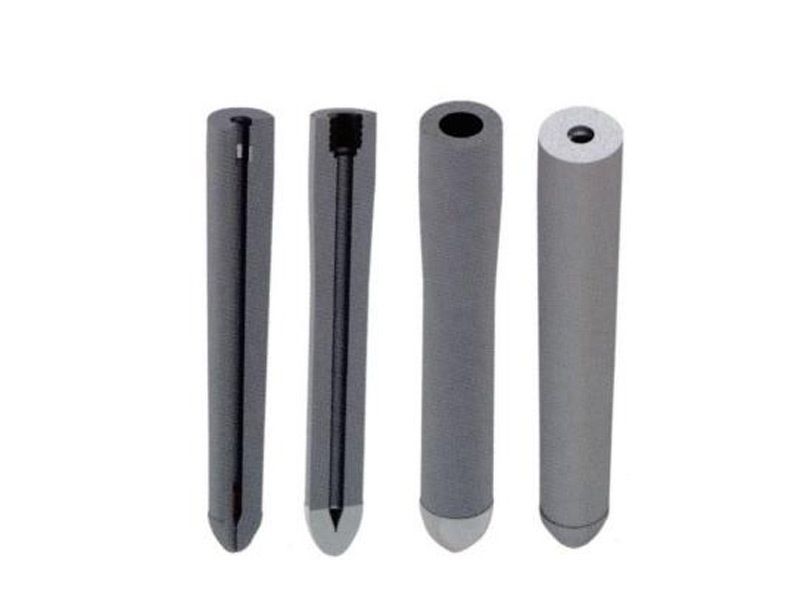
Ladle shrouds and submerged entry nozzles are key functional refractories in continuous casting. They protect the steel stream against reoxidation and control mould flow. Alumina-carbon body with ZrO2 slag line resists slag, prevents clogging and sustains multi-heat sequences.

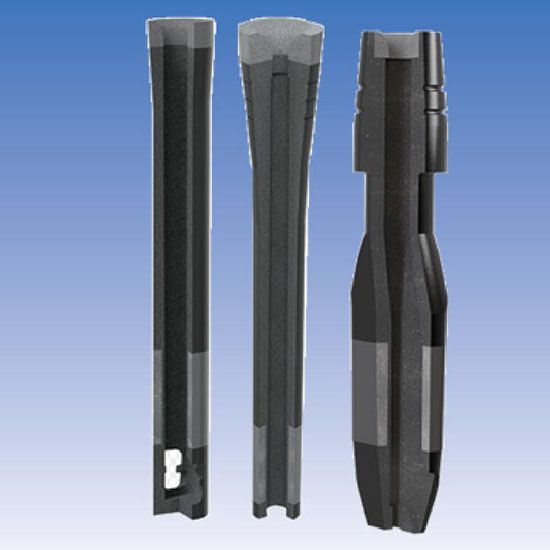
Integral stopper rod is the core flow-control refractory in the continuous casting tundish. Alumina-carbon or magnesia-carbon grades resist thermal shock and erosion with a durable slag line. Argon-blowing structures and rod-head shapes are customized for stable multi-heat flow control.

Si3N4 bonded SiC brick is made of high-purity silicon carbide with in-situ formed silicon nitride bond, featuring excellent thermal shock resistance, high strength, high thermal conductivity and oxidation resistance for blast furnace tuyeres, aluminum cell sidewalls and kiln furniture.

BF hearth carbon blocks including micropore and semi-graphite grades offer high thermal conductivity and strong resistance to molten iron penetration, key to long-lasting blast furnace bottoms and hearths.

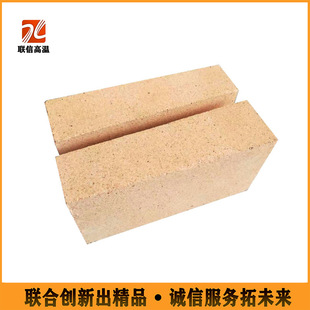
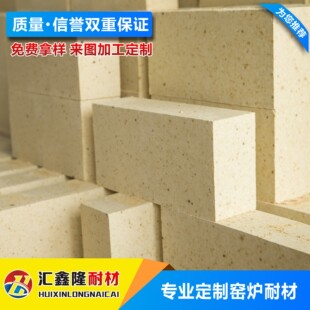
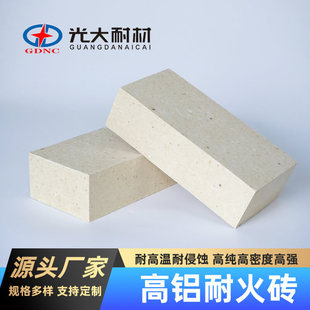
High-alumina brick LZ-55 (Al₂O₃≥55%) with refractoriness ≥1770℃ offers dense structure, wear resistance against gas scouring and combined cold/hot strength—one of the most widely used shaped refractories.

High-alumina brick LZ-65 (Al₂O₃≥65%, refractoriness ≥1790℃) has a higher corundum/mullite phase ratio for stronger slag resistance, higher temperature rating and better hot load-bearing capacity.

Low-creep high-alumina brick with Al₂O₃≥75% and creep rate ≤0.8% (1550℃×50h), RUL ≥1550℃. Minimal deformation under long-term hot load, engineered for load-bearing hot stove domes and walls.

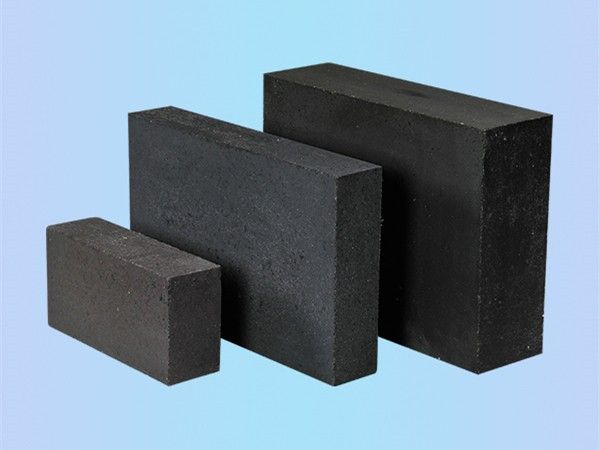
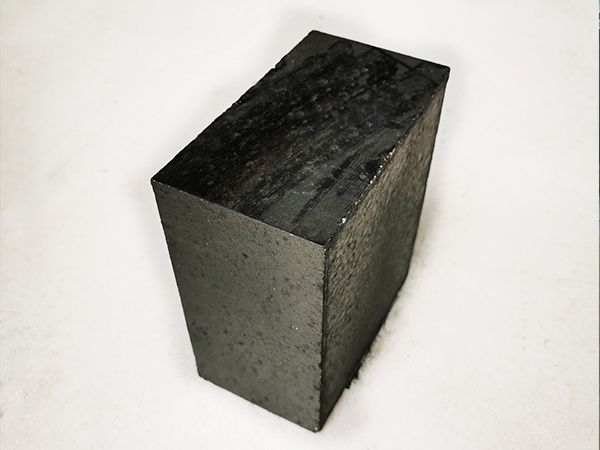
Magnesia-carbon brick bonds magnesia with graphite (MgO≥76%, C 14-18%, 1750℃ max). Carbon does not wet slag, giving exceptional slag-line erosion resistance and thermal-shock stability far better than burned magnesia brick.

Magnesia-calcium brick (MgO≥70%, CaO≥20%, refractoriness ≥1900℃) uses free CaO to absorb inclusions during refining, cleaning steel and improving cleanliness—the dedicated brick for refining ladles. For LF, VD and VOD ladle working linings and slag lines, and secondary refining ladle walls.

Andalusite brick (Al₂O₃≥70%, RUL ≥1600℃, thermal-shock stability ≥10 cycles) exploits mullitization micro-expansion for high-temperature volume stability and outstanding creep resistance.

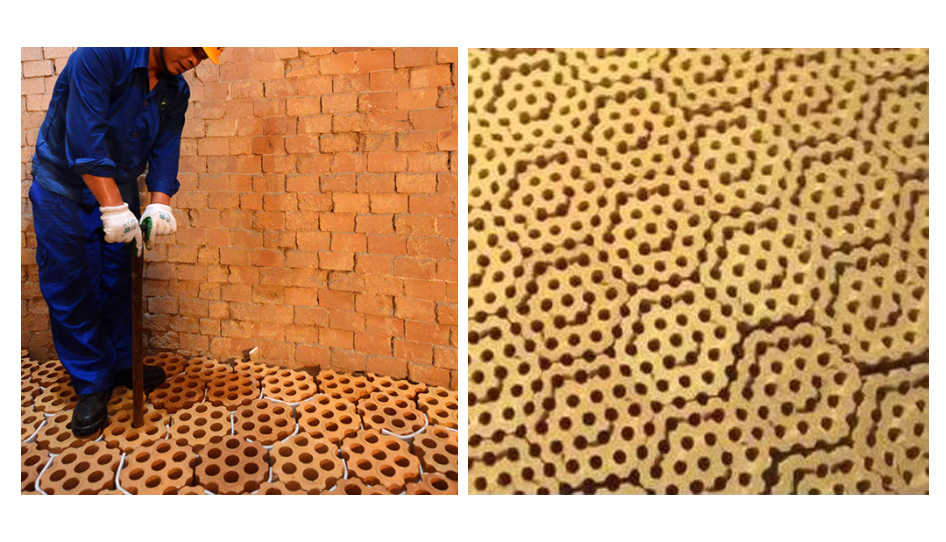
Checker brick with porous/honeycomb custom holes (Al₂O₃ 45-75%, RUL ≥1500℃) maximizes specific surface area for efficient regenerative heat exchange—the core element of hot stove checkers.

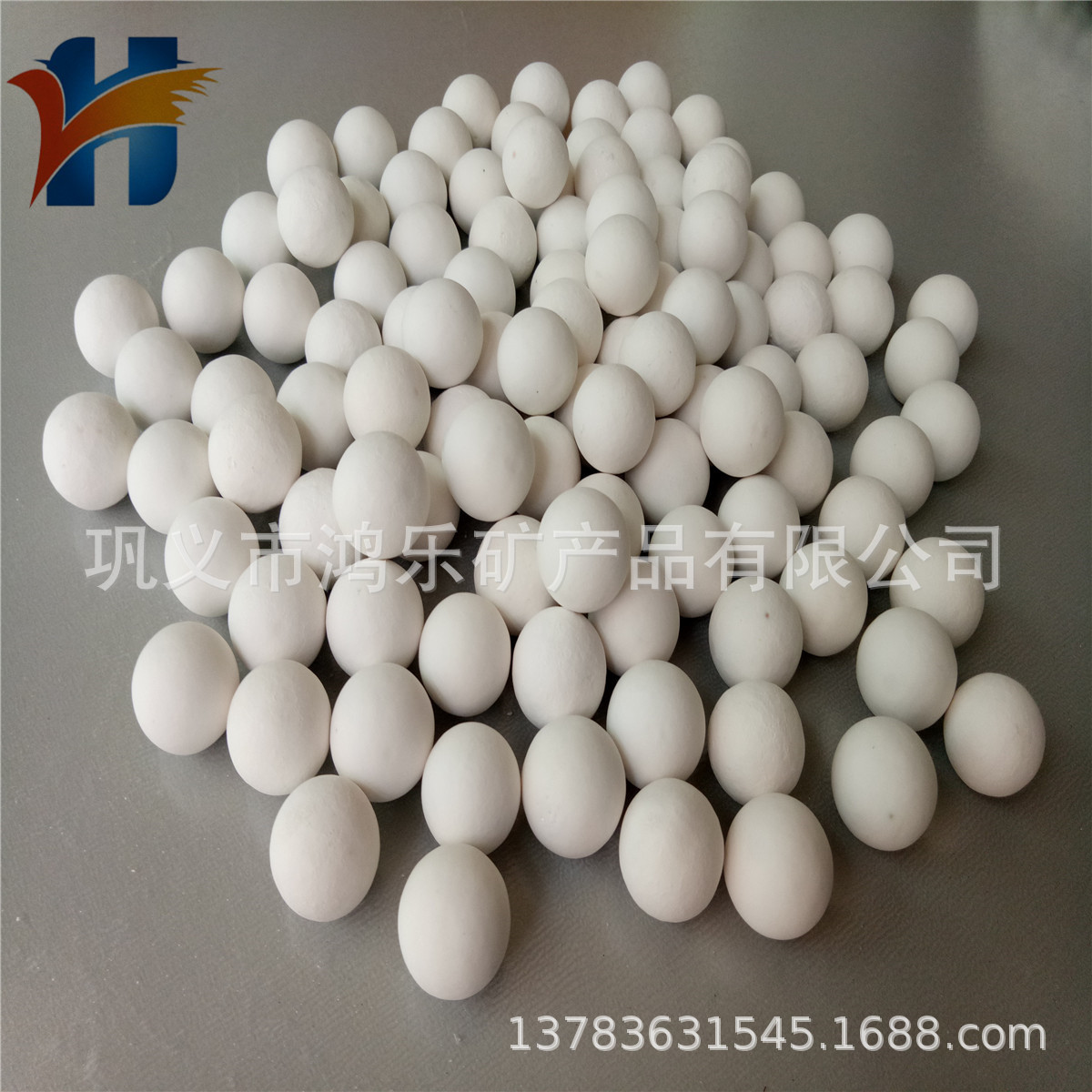
Refractory balls (Al₂O₃ 55-99%, Φ25/40/50/60/75mm, crush load ≥40kN/ball, refractoriness ≥1790℃) maximize specific surface for efficient regenerative exchange. For regenerators of pebble-type hot blast stoves and regenerative reheating furnaces, and petrochemical regenerative air preheaters.

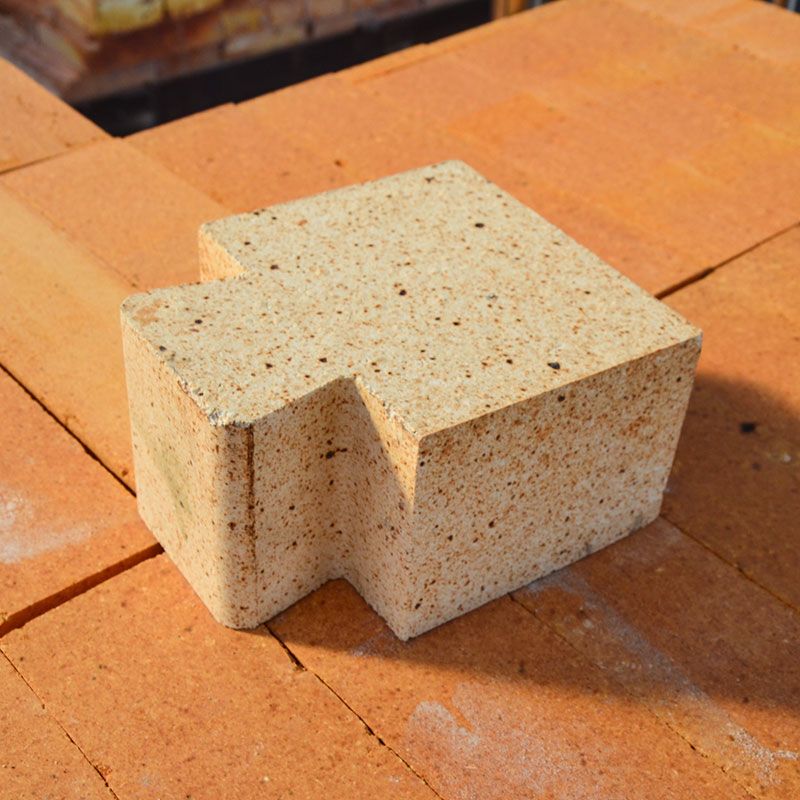
Custom special-shaped bricks cover fireclay, high-alumina, mullite, corundum, silica and magnesia grades with ±1mm tolerance and up to 80kg per piece, produced from drawings by die pressing or casting.

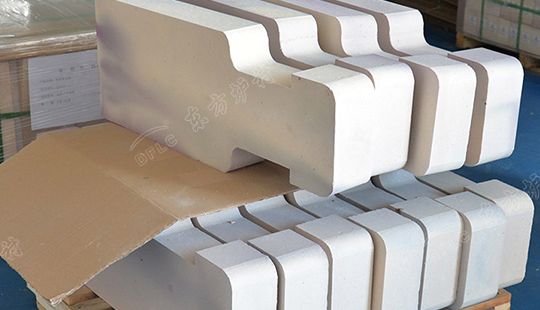
Refractory precast blocks are factory-cast, cured and fired to drawings in castable, corundum and other grades with ±2mm accuracy. Crane-installed for short outage and consistent quality—key to fast maintenance.

Al₂O₃-SiC-C composite brick for hot metal ladle, torpedo ladle and iron ladle working lining; excellent slag erosion resistance, thermal shock resistance and scouring resistance – recommended choice for slag line
WeChat · 17513376789