
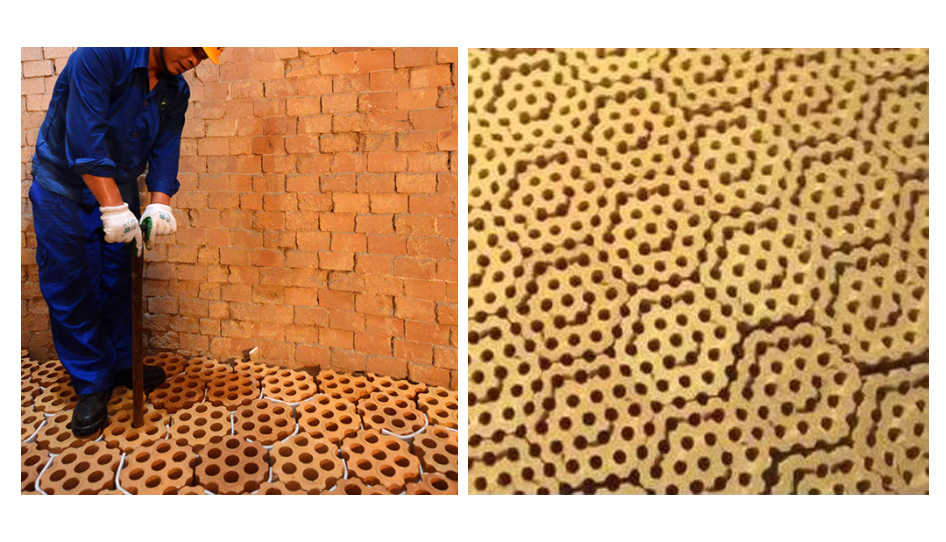
Checker Brick
Checker brick with porous/honeycomb custom holes (Al₂O₃ 45-75%, RUL ≥1500℃) maximizes specific surface area for efficient regenerative heat exchange—the core element of hot stove checkers.
Learn More →The hot blast stove preheats blast air to 1150–1300°C via checker bricks; checker service life and hot-blast main lining integrity determine achievable wind temperatures.
Problem-by-problem analysis with solutions and recommended refractories
Background Hot stove checker bricks carry regenerative heat exchange, working through pe…
Problem Details →Customer Question During blast furnace stove overhaul, the most common question is: "Wha…
Problem Details →Checker brick with porous/honeycomb custom holes (Al₂O₃ 45-75%, RUL ≥1500℃) maximizes specific surface area for efficient regenerative heat exchange—the core element of hot stove checkers.
Learn More →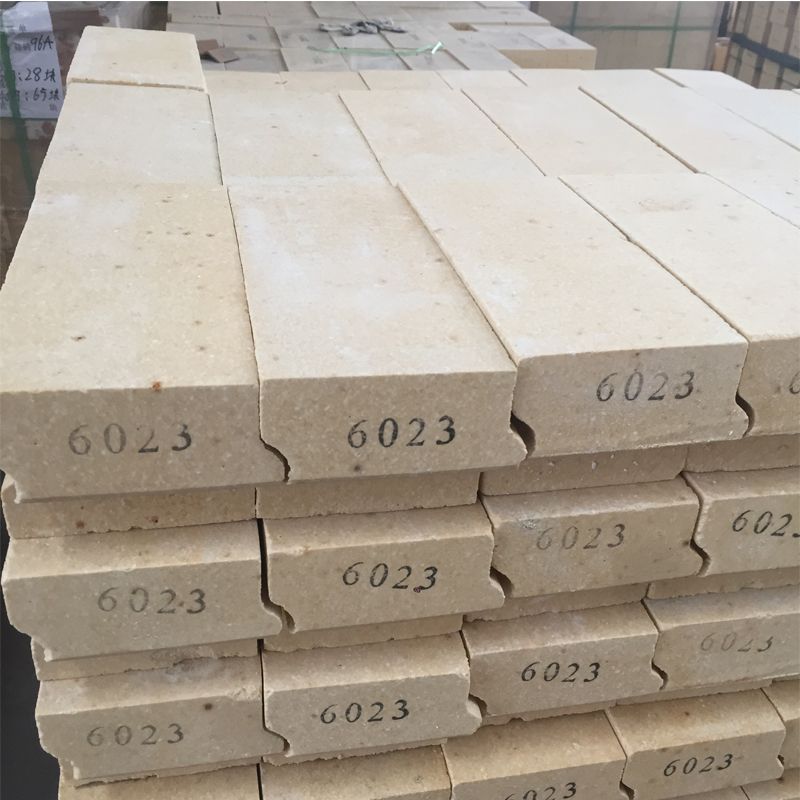
Silica brick with SiO₂≥94%, refractoriness ≥1690℃ and RUL ≥1620℃ shows no high-temperature shrinkage, stable under long-term load and resistant to acid slag and atmospheres—the recommended choice for coke ovens.
Learn More →
High-alumina brick LZ-65 (Al₂O₃≥65%, refractoriness ≥1790℃) has a higher corundum/mullite phase ratio for stronger slag resistance, higher temperature rating and better hot load-bearing capacity.
Learn More →The blast furnace is the core ironmaking unit; linings face 1100–1500°C heat, slag/metal attack and alkali damage, with long campaigns relying on hearth ceramic cups and bosh cooling staves.
View Problems & Solutions →The hot metal ladle transports and holds molten iron; its bottom suffers impact and its slag line suffers slag attack, making it one of the most frequently relined refractory zones.
View Problems & Solutions →The iron runner guides blast-furnace hot metal to ladles; its slag line endures alternating metal/slag scouring, with Al2O3-SiC-C castable throughput being the key metric.
View Problems & Solutions → WeChat · 17513376789