
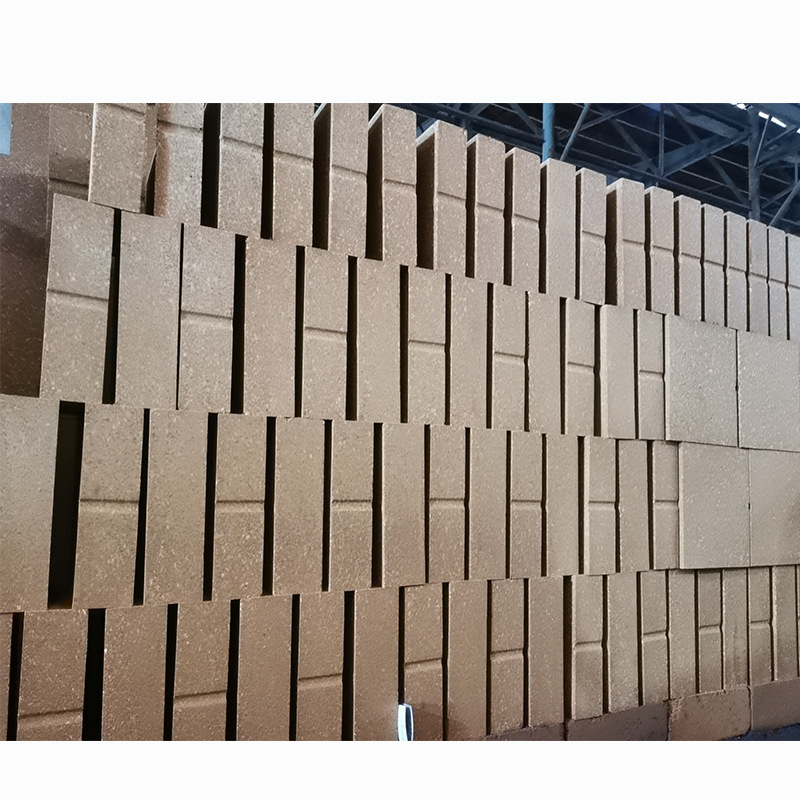
Magnesia-Chrome Brick
Magnesia-chrome brick (MgO≥60%, Cr₂O₃≥12%, refractoriness ≥1900℃) with magnesia-chromite spinel structure resists attack by high-temperature slags and melts with high hot strength and washout resistance.
Learn More →Cement Rotary Kiln · Burning Zone
The burning zone of a cement rotary kiln is the core clinker-firing zone. Lining temperature is high (above 1450℃) with frequent coating attachment/detachment. Burning-zone bricks directly contact hot clinker, coating and alkali/sulfur cycling atmosphere; erosion and spalling are the main failure modes, directly affecting kiln availability and clinker quality.
High temperature and clinker attack: burning-zone temperature is high; clinker liquid phase reacts with and attacks the bricks. Coating-brick interaction: attached coating protects bricks, but coating fall-off takes brick surface with it; repeated cycling accelerates thinning. Alkali/sulfur cycling: alkali and sulfur enrich in the burning zone, reacting into expanding minerals that "alkali-crack" the bricks. Thermal shock: kiln swings and shutdowns cause rapid temperature changes, thermally shocking the bricks. Mechanical wear: material tumbling in the kiln abrades the bricks.
After erosion thins the burning-zone bricks, shell temperature and heat load rise; in severe cases red spots (coating loss exposing brick) or even shell burn-through occur, forcing kiln shutdown and hurting availability and clinker quality.
Select burning-zone bricks for "high erosion resistance + high thermal-shock resistance + coating retention":
Masonry control: lock ring-laid bricks with joints ≤2mm filled with magnesia mortar. Key brick: process the final key brick precisely and wedge it tight. Kiln heating: follow the heating curve; control kiln condition during coating formation. Coating: build coating progressively after feed to protect the bricks.
Stabilize kiln operation to avoid frequent shutdowns and sharp temperature swings; monitor shell temperature and adjust promptly on red-spot signs. At maintenance, check burning-zone residual thickness and replace zones beyond limits; record lining life to optimize grade and kiln management.
Magnesia-chrome brick (MgO≥60%, Cr₂O₃≥12%, refractoriness ≥1900℃) with magnesia-chromite spinel structure resists attack by high-temperature slags and melts with high hot strength and washout resistance.
Learn More →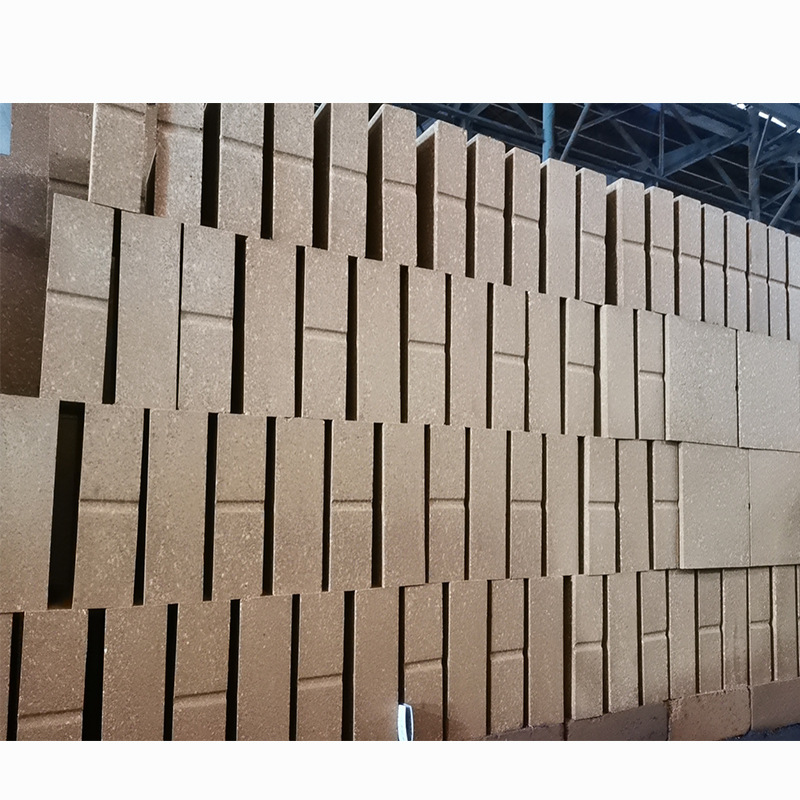
Magnesia brick with periclase as the main phase (MgO≥95%, refractoriness ≥2000℃) offers outstanding resistance to basic slags and iron-oxide slag plus excellent high-temperature performance.
Learn More →Background The transition zone of a cement rotary kiln lies between the burning and preh…
Problem Details →Why the cooling zone spalls In a cement rotary kiln, the cooling zone sits next to the b…
Problem Details →Contact Us
 WeChat · 17513376789