
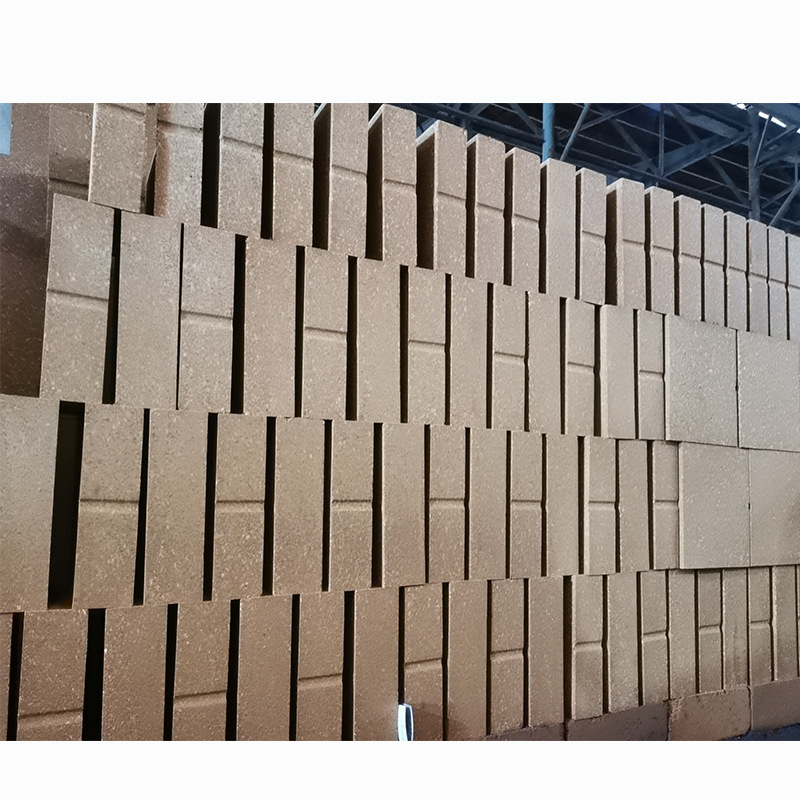
Magnesia-Chrome Brick
Magnesia-chrome brick (MgO≥60%, Cr₂O₃≥12%, refractoriness ≥1900℃) with magnesia-chromite spinel structure resists attack by high-temperature slags and melts with high hot strength and washout resistance.
Learn More →The rotary kiln burning zone exceeds 1400°C; coating stability determines magnesia brick life, while the transition zone faces thermal shock and mechanical stress.
Problem-by-problem analysis with solutions and recommended refractories
Background The burning zone of a cement rotary kiln is the core clinker-firing zone. Lin…
Problem Details →Background The transition zone of a cement rotary kiln lies between the burning and preh…
Problem Details →Why the cooling zone spalls In a cement rotary kiln, the cooling zone sits next to the b…
Problem Details →Magnesia-chrome brick (MgO≥60%, Cr₂O₃≥12%, refractoriness ≥1900℃) with magnesia-chromite spinel structure resists attack by high-temperature slags and melts with high hot strength and washout resistance.
Learn More →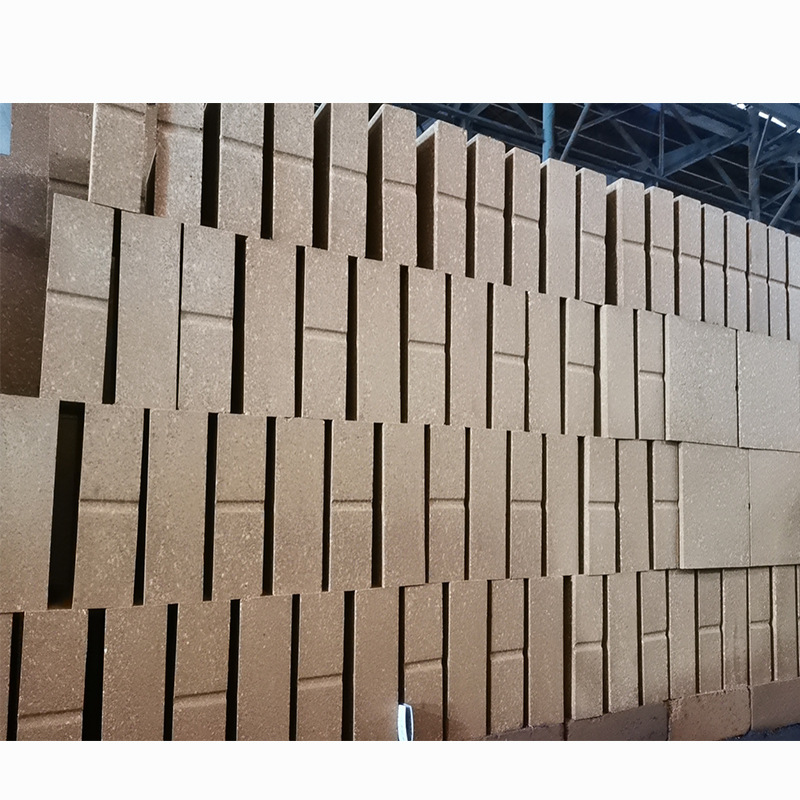
Magnesia brick with periclase as the main phase (MgO≥95%, refractoriness ≥2000℃) offers outstanding resistance to basic slags and iron-oxide slag plus excellent high-temperature performance.
Learn More →
Silicon-mullite brick (Al₂O₃≥55%, SiC≥20%) combines mullite thermal-shock resistance with SiC high thermal conductivity and wear resistance, with low conductivity for energy saving.
Learn More →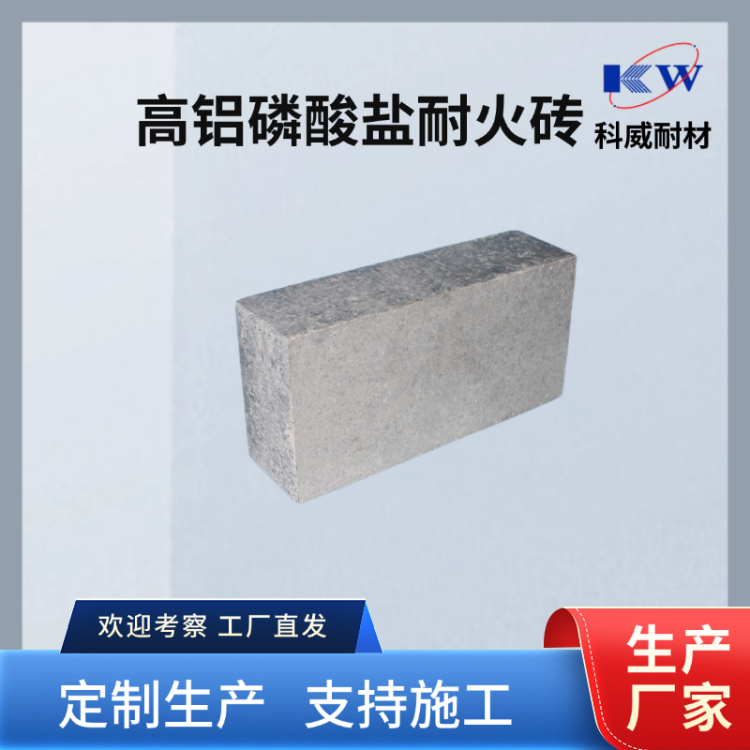
Spalling-resistant high-alumina brick introduces ZrO₂ (3-6%) for transformation and microcrack toughening. Al₂O₃≥70%, thermal-shock stability ≥15 cycles, greatly improved resistance to structural spalling under frequent temperature cycling.
Learn More →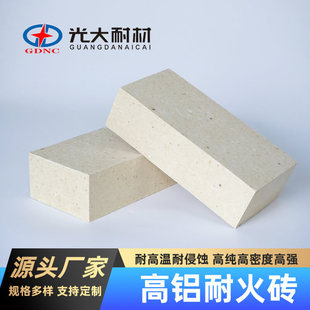
Low-creep high-alumina brick with Al₂O₃≥75% and creep rate ≤0.8% (1550℃×50h), RUL ≥1550℃. Minimal deformation under long-term hot load, engineered for load-bearing hot stove domes and walls.
Learn More →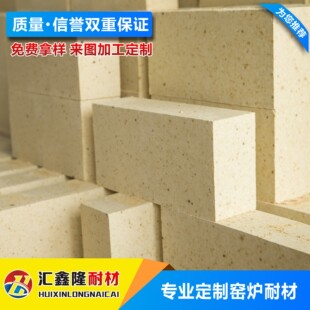
High-alumina brick LZ-65 (Al₂O₃≥65%, refractoriness ≥1790℃) has a higher corundum/mullite phase ratio for stronger slag resistance, higher temperature rating and better hot load-bearing capacity.
Learn More →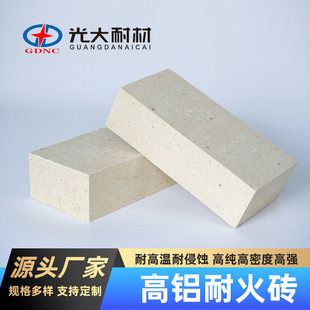
Micro-expansion high-alumina brick (Al₂O₃≥75%, PLC 0.2-0.6% at 1500℃) expands slightly at temperature to compensate joint shrinkage, improving lining integrity and preventing gas/slag leakage.
Learn More →Preheater cyclones and the precalciner suffer build-up from alkali/chlorine/sulfur cycles; anti-build-up and wear-resistant linings are key.
View Problems & Solutions →The grate cooler hot end absorbs clinker drop impact and secondary-air abrasion; heavy-duty steel-fiber wear-resistant castables are widely used.
View Problems & Solutions →The kiln hood connects the rotary kiln and grate cooler; suspended roof structure and side-wall thermal shock resistance drive maintenance.
View Problems & Solutions → WeChat · 17513376789