
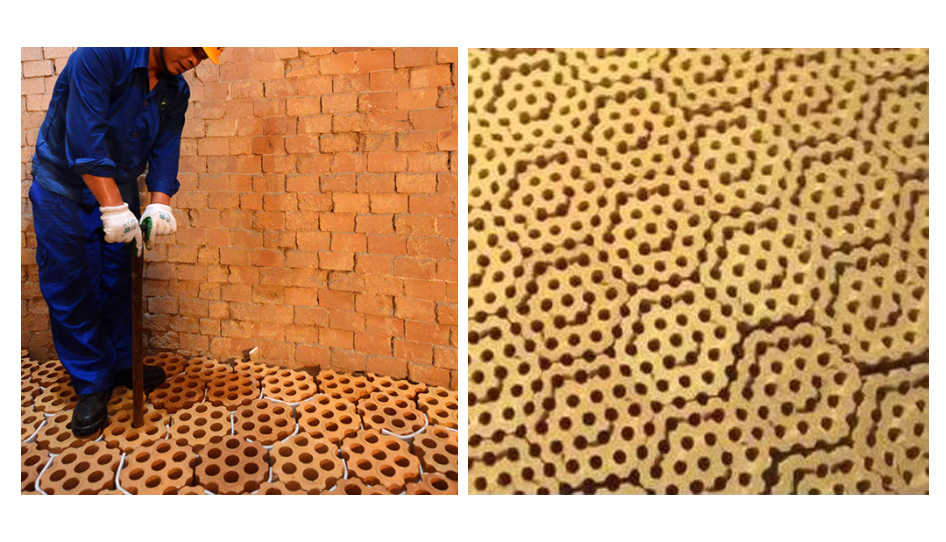
Checker Brick
Checker brick with porous/honeycomb custom holes (Al₂O₃ 45-75%, RUL ≥1500℃) maximizes specific surface area for efficient regenerative heat exchange—the core element of hot stove checkers.
Learn More →Regenerator checkerwork suffers alkali/condensate build-up; heat-exchange efficiency and cleaning drive maintenance.
Problem-by-problem analysis with solutions and recommended refractories
Background Glass furnace regenerator checkerwork recovers waste-heat and preheats combus…
Problem Details →Background The burner port (throat) of a glass furnace regenerator is the passage for ga…
Problem Details →Checker brick with porous/honeycomb custom holes (Al₂O₃ 45-75%, RUL ≥1500℃) maximizes specific surface area for efficient regenerative heat exchange—the core element of hot stove checkers.
Learn More →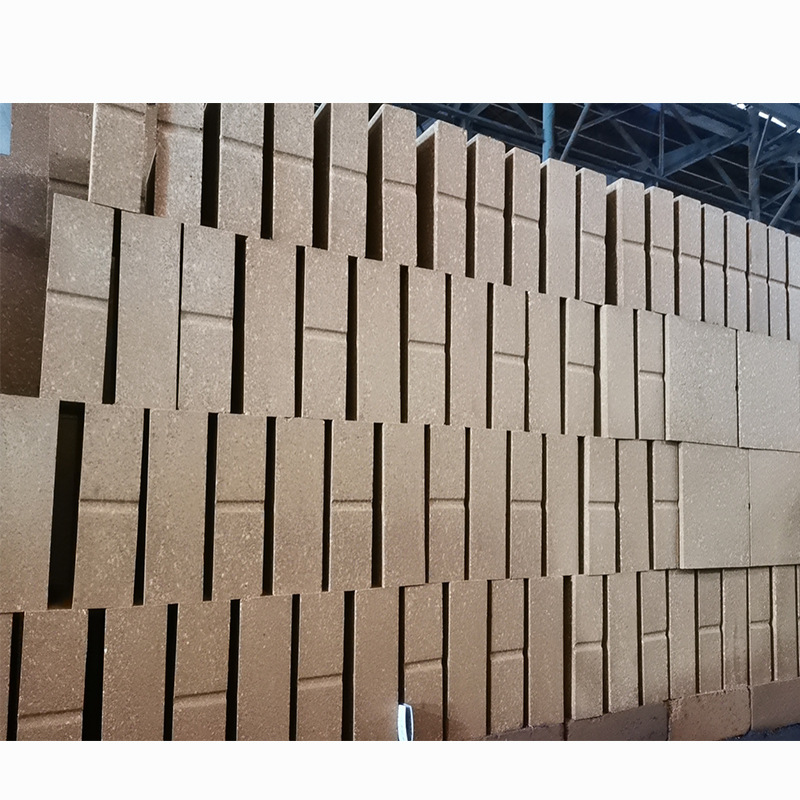
Magnesia brick with periclase as the main phase (MgO≥95%, refractoriness ≥2000℃) offers outstanding resistance to basic slags and iron-oxide slag plus excellent high-temperature performance.
Learn More →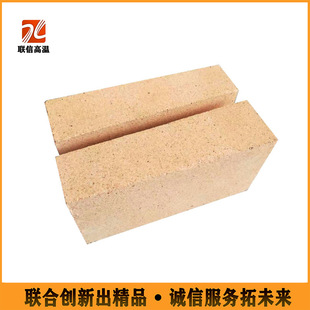
High-alumina brick LZ-55 (Al₂O₃≥55%) with refractoriness ≥1770℃ offers dense structure, wear resistance against gas scouring and combined cold/hot strength—one of the most widely used shaped refractories.
Learn More →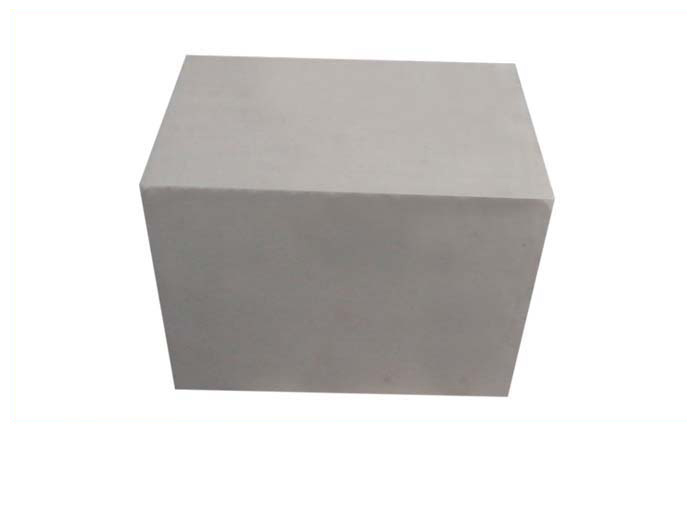
Fused-cast AZS block (Al₂O₃≥48%, ZrO₂≥32%, bulk density ≥3.60 g/cm³, porosity ≤2%) is cast from the melt to near-zero porosity, giving outstanding resistance to glass-melt erosion and scouring.
Learn More →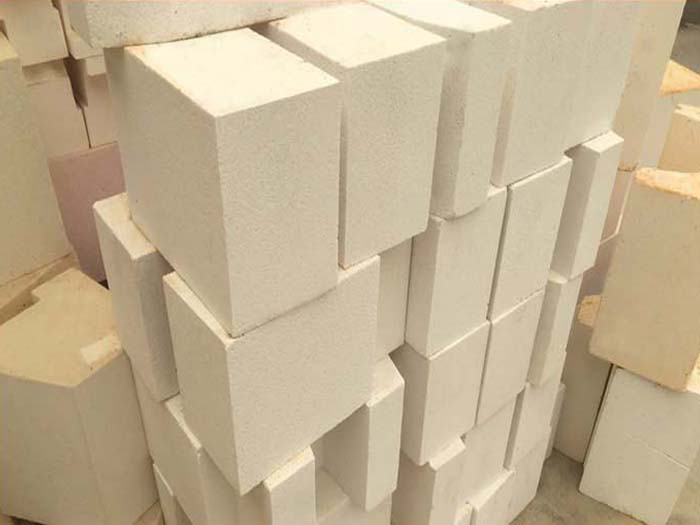
Mullite brick with mullite as the main phase (Al₂O₃≥75%, refractoriness ≥1850℃, RUL ≥1650℃) offers high-temperature volume stability with excellent thermal-shock and creep resistance.
Learn More →The crown silica bricks suffer mouse-hole corrosion from alkali vapor; furnace pressure control and hot repair determine campaign life.
View Problems & Solutions →Fused-cast AZS bricks contact molten glass; joint washout and breakout risk are key safety concerns.
View Problems & Solutions → WeChat · 17513376789