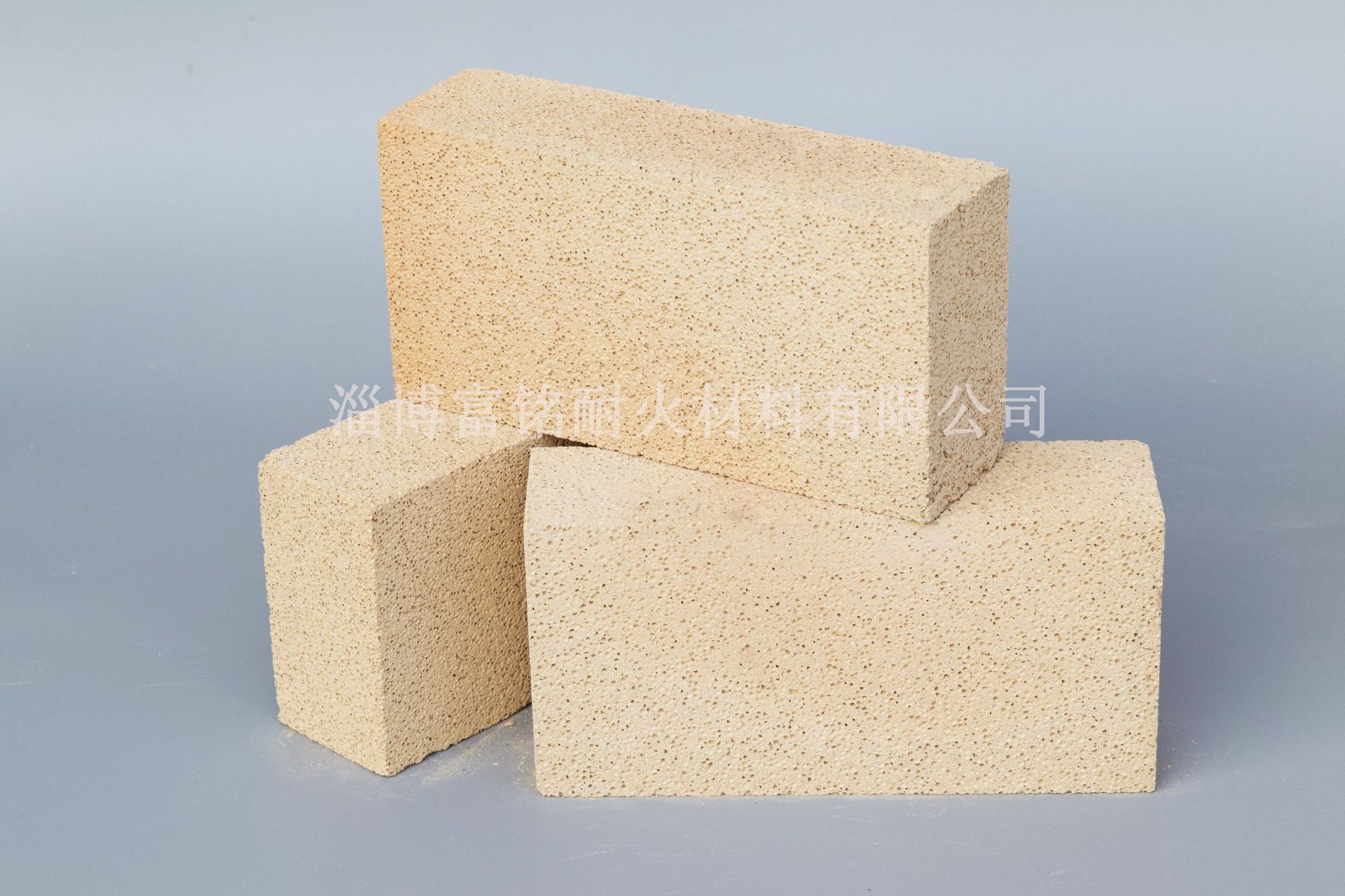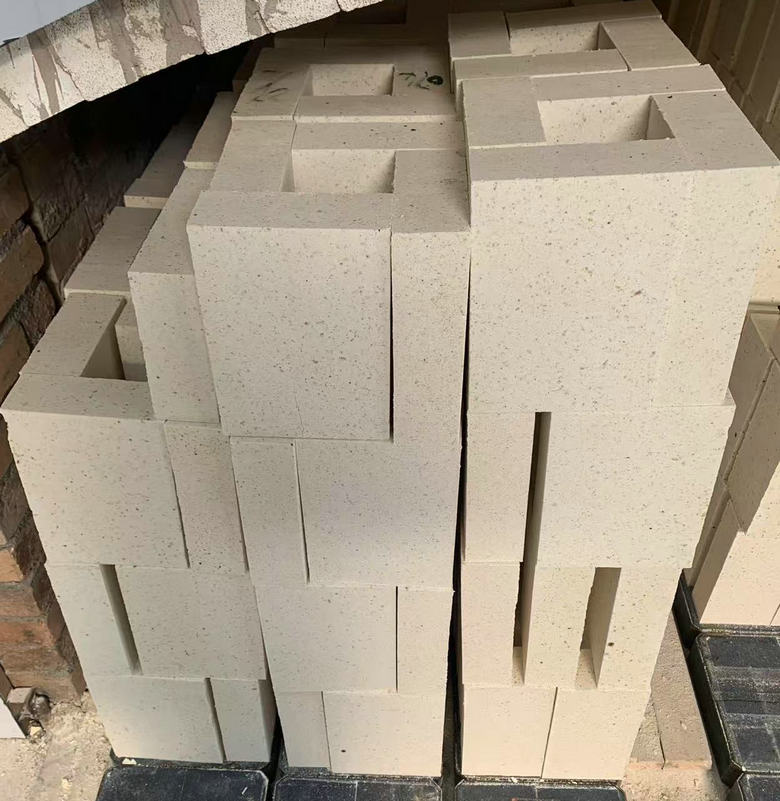
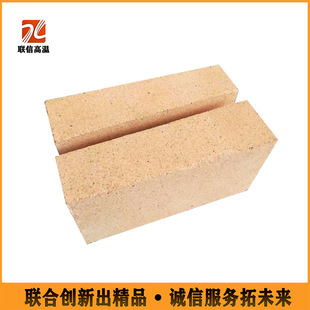
High-Alumina Brick LZ-55
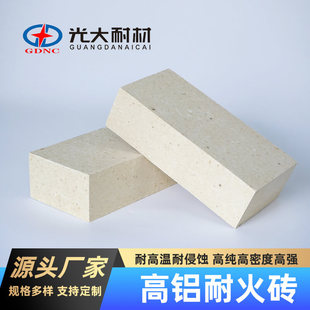
High-alumina brick LZ-55 (Al₂O₃≥55%) with refractoriness ≥1770℃ offers dense structure, wear resistance against gas scouring and combined cold/hot strength—one of the most widely used shaped refractories.
Learn More →Shuttle Kiln · Kiln wall and roof
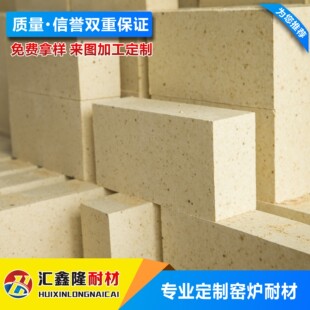
Ceramic shuttle kilns are intermittent firing kilns: each cycle goes from room temperature to firing temperature (glaze firing 1200–1250℃, porcelain body firing 1300–1400℃) and back to cooling, repeated many times. The wall and roof refractories face prominent issues:
Consequences: elevated outer wall temperature and heat loss, poor temperature uniformity, higher product defect rate and frequent cold repairs.
Zone-based brick selection with optimized structural design:
Henan Songrui New Refractory Materials Co., Ltd. supports customized brick shapes and formulations per firing temperature and atmosphere, including shaped brick customization and pre-cast product fabrication.

High-alumina brick LZ-55 (Al₂O₃≥55%) with refractoriness ≥1770℃ offers dense structure, wear resistance against gas scouring and combined cold/hot strength—one of the most widely used shaped refractories.
Learn More →
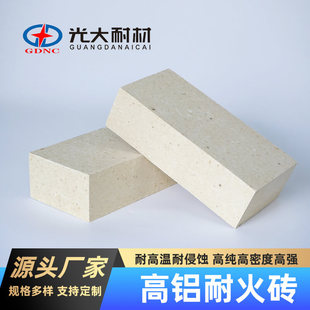
High-alumina brick LZ-65 (Al₂O₃≥65%, refractoriness ≥1790℃) has a higher corundum/mullite phase ratio for stronger slag resistance, higher temperature rating and better hot load-bearing capacity.
Learn More →
Low-creep high-alumina brick with Al₂O₃≥75% and creep rate ≤0.8% (1550℃×50h), RUL ≥1550℃. Minimal deformation under long-term hot load, engineered for load-bearing hot stove domes and walls.
Learn More →
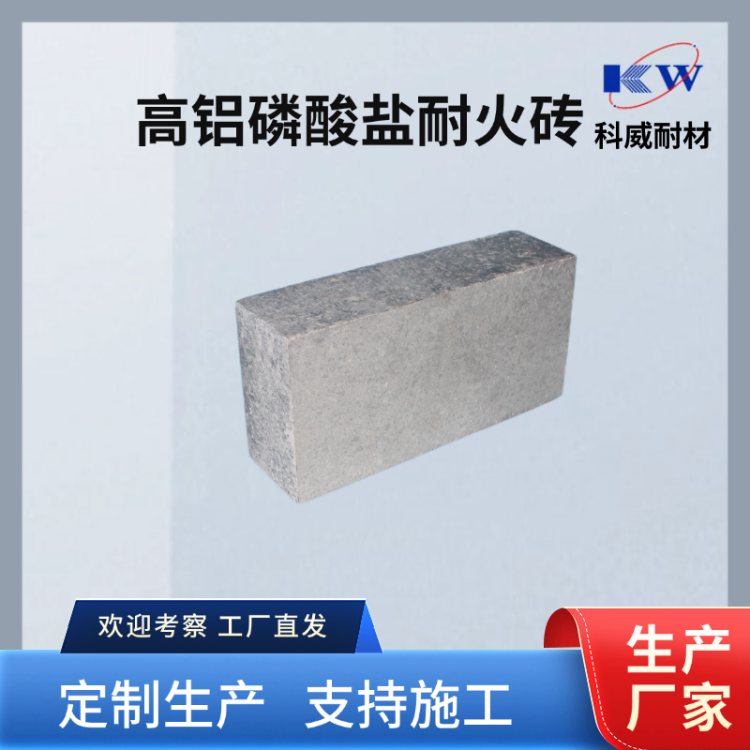
Phosphate-bonded high-alumina brick (Al₂O₃≥75%, refractoriness ≥1770℃) avoids high-temperature firing for energy saving, hardening further in service as temperature rises. Cost-effective with good thermal-shock resistance.
Learn More →
Spalling-resistant high-alumina brick introduces ZrO₂ (3-6%) for transformation and microcrack toughening. Al₂O₃≥70%, thermal-shock stability ≥15 cycles, greatly improved resistance to structural spalling under frequent temperature cycling.
Learn More →
Micro-expansion high-alumina brick (Al₂O₃≥75%, PLC 0.2-0.6% at 1500℃) expands slightly at temperature to compensate joint shrinkage, improving lining integrity and preventing gas/slag leakage.
Learn More →
Mullite brick with mullite as the main phase (Al₂O₃≥75%, refractoriness ≥1850℃, RUL ≥1650℃) offers high-temperature volume stability with excellent thermal-shock and creep resistance.
Learn More →
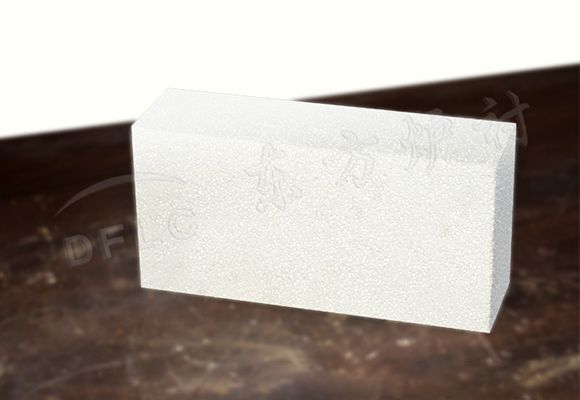
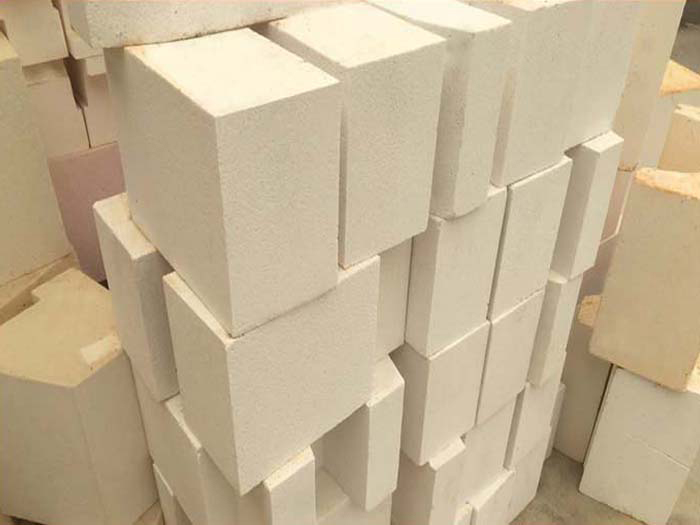
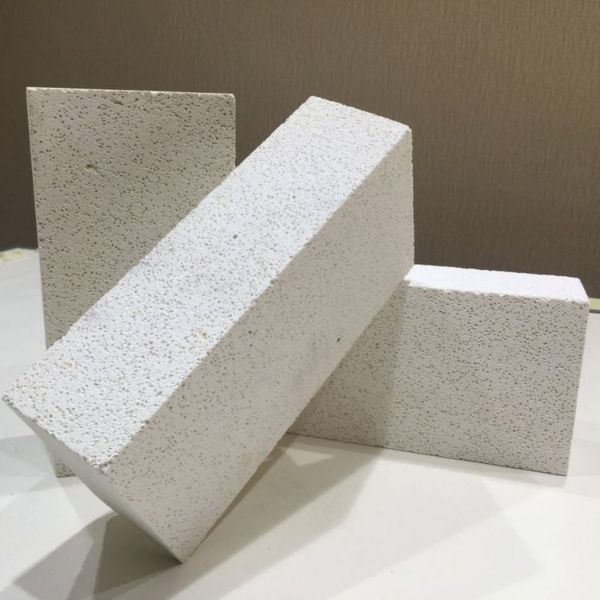
Lightweight high-alumina insulating brick (Al₂O₃≥48%, 1500℃ max, bulk density 0.8-1.2 g/cm³, conductivity ≤0.5 W/(m·K)) saves energy with light weight and low thermal conductivity.
Learn More →
Lightweight fireclay insulating brick (Al₂O₃≥35%, 1250℃ max, bulk density 0.6-1.0 g/cm³, conductivity ≤0.35 W/(m·K)) is an economical, stable insulator.
Learn More →
Lightweight silica brick (SiO₂≥92%, 1550℃ max, bulk density 1.2-1.5 g/cm³, RUL ≥1550℃) combines silica refractoriness with lightweight insulation and matches silica brick thermal expansion.
Learn More →
Light mullite insulating brick takes mullite as its main phase with Al₂O₃ of 50%–85%, featuring low thermal conductivity, low bulk density and good high-temperature structural strength for insulating and composite linings of ceramic kilns, glass furnaces and reheating furnaces.
Learn More →
Cordierite-mullite kiln furniture (saggers, shelves, posts and beams) combines low thermal expansion with high refractoriness under load, offering excellent thermal shock resistance and long service life for ceramic, electronic ceramic and magnetic material kilns.
Learn More →Contact Us
客服微信 · 17513376789